10 Massages and Stretches for a Frozen Shoulder
June 15, 2023
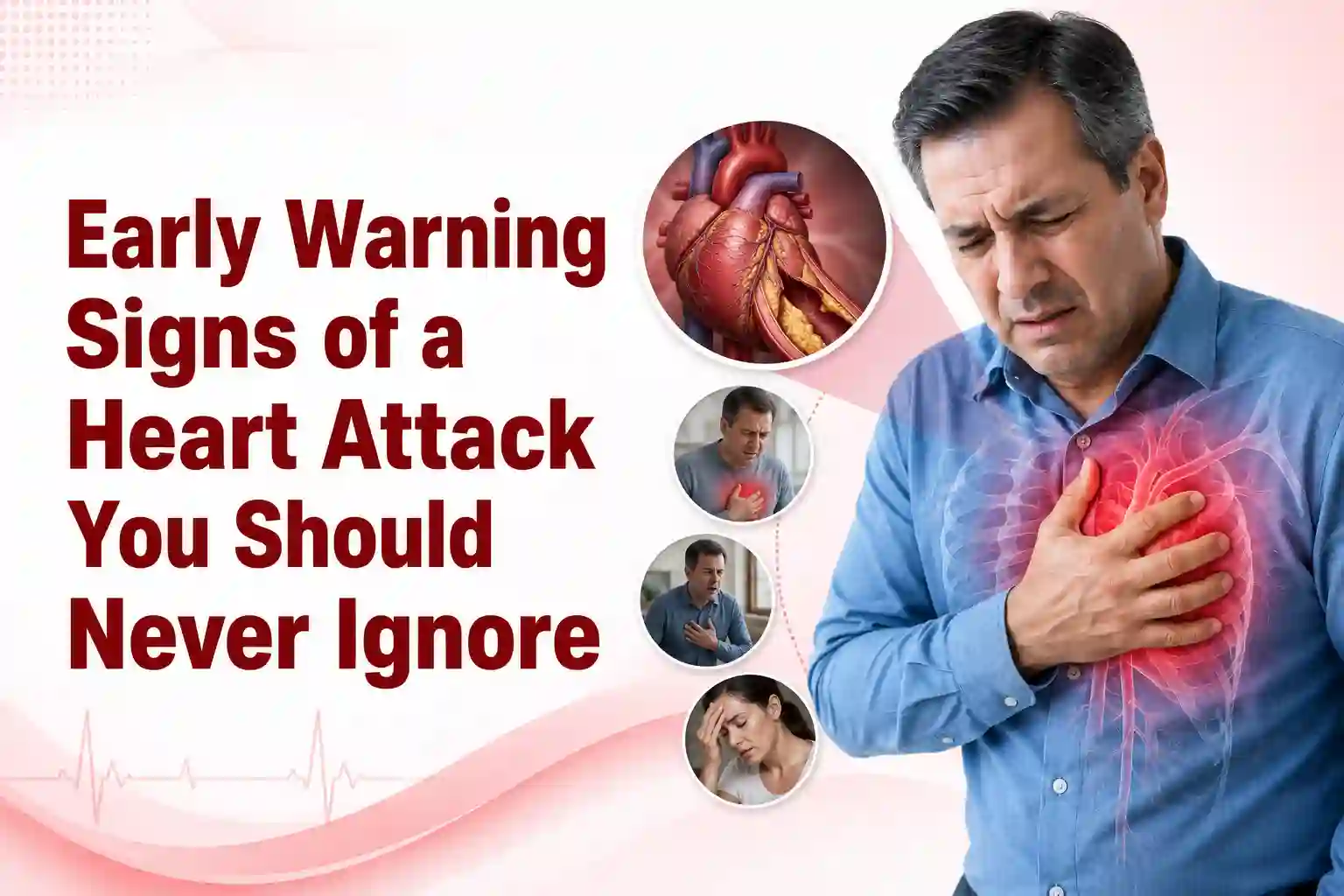
The early warning signs of a heart attack are not always dramatic. Many people imagine a heart attack as sudden, severe chest pain, but in real life, the symptoms can start slowly and feel like acidity, fatigue, breathlessness, shoulder pain, sweating, or discomfort in the jaw or arm. Because these symptoms can seem minor at first, many patients delay medical help.
A heart attack happens when blood flow to part of the heart muscle is blocked. The longer the heart muscle remains without enough oxygen-rich blood, the higher the risk of serious damage. That is why recognising the warning signs early and reaching a cardiac emergency unit quickly can save lives.
For patients in Hyderabad, especially around Attapur, Mehdipatnam, Tolichowki, Rajendra Nagar, Banjara Hills, Jubilee Hills, Shamshabad, and nearby areas, timely access to a cardiology hospital can make a major difference during a cardiac emergency. This blog explains the warning signs you should never ignore, what to do immediately, and when to consult a cardiologist.
Emergency Note: If you or someone near you has chest pain, sudden breathlessness, sweating, fainting, or pain spreading to the arm, jaw, neck, or back, do not wait. Seek emergency medical help immediately.
A heart attack, medically called myocardial infarction, occurs when blood flow to the heart muscle is reduced or blocked. This usually happens because of a blockage in the coronary arteries, the blood vessels that supply oxygen to the heart.
The blockage may develop due to plaque buildup inside the arteries. When this plaque ruptures, a blood clot can form and block blood flow. Without quick treatment, the affected part of the heart muscle can get damaged.
Heart attacks are medical emergencies. They can happen in people with known heart disease, but they can also occur in people who never had a previous diagnosis. This is why symptoms should not be ignored, especially if you have risk factors such as diabetes, high blood pressure, high cholesterol, smoking, obesity, stress, or a family history of heart disease.
Heart attack symptoms can vary from person to person. Some people experience intense symptoms, while others may notice mild or confusing signs. The following symptoms need urgent attention.
Chest discomfort is one of the most common warning signs of a heart attack. It may not always feel like sharp pain. Many patients describe it as:
• Pressure in the centre of the chest
• Tightness or heaviness
• Squeezing sensation
• Burning discomfort
• Fullness in the chest
• Pain that comes and goes
The discomfort may last for a few minutes, reduce, and return again. Some people mistake it for acidity, gas, or indigestion. However, if chest discomfort is new, severe, occurs during activity, or comes with sweating, breathlessness, nausea, or arm pain, treat it as serious.
Heart attack pain does not always remain in the chest. It can spread to other areas of the upper body, including:
• Left arm
• Right arm
• Both arms
• Shoulder
• Neck
• Jaw
• Upper back
• Upper abdomen
Jaw pain or shoulder pain without obvious injury can sometimes be a cardiac warning sign. This is especially important if the pain appears suddenly or occurs along with chest heaviness, sweating, or breathlessness.
Sudden breathlessness can happen with or without chest pain. You may feel like you cannot take a deep breath, even while resting. Some people feel breathless while walking a short distance, climbing stairs, lying down, or doing routine activities.
Shortness of breath can occur when the heart is unable to pump blood effectively. It can be an early sign of a heart attack or another serious heart condition. If breathlessness is sudden, unexplained, or associated with chest discomfort, seek medical help immediately.
Breaking into a cold sweat without exercise, fever, or heat exposure can be a warning sign. During a heart attack, the body may release stress hormones, causing sudden sweating and clammy skin.
Do not ignore sweating if it comes with:
• Chest tightness
• Dizziness
• Nausea
• Breathlessness
• Pain in the arm, jaw, or back
Many patients describe this as feeling "not right" or suddenly weak. This symptom needs urgent evaluation.
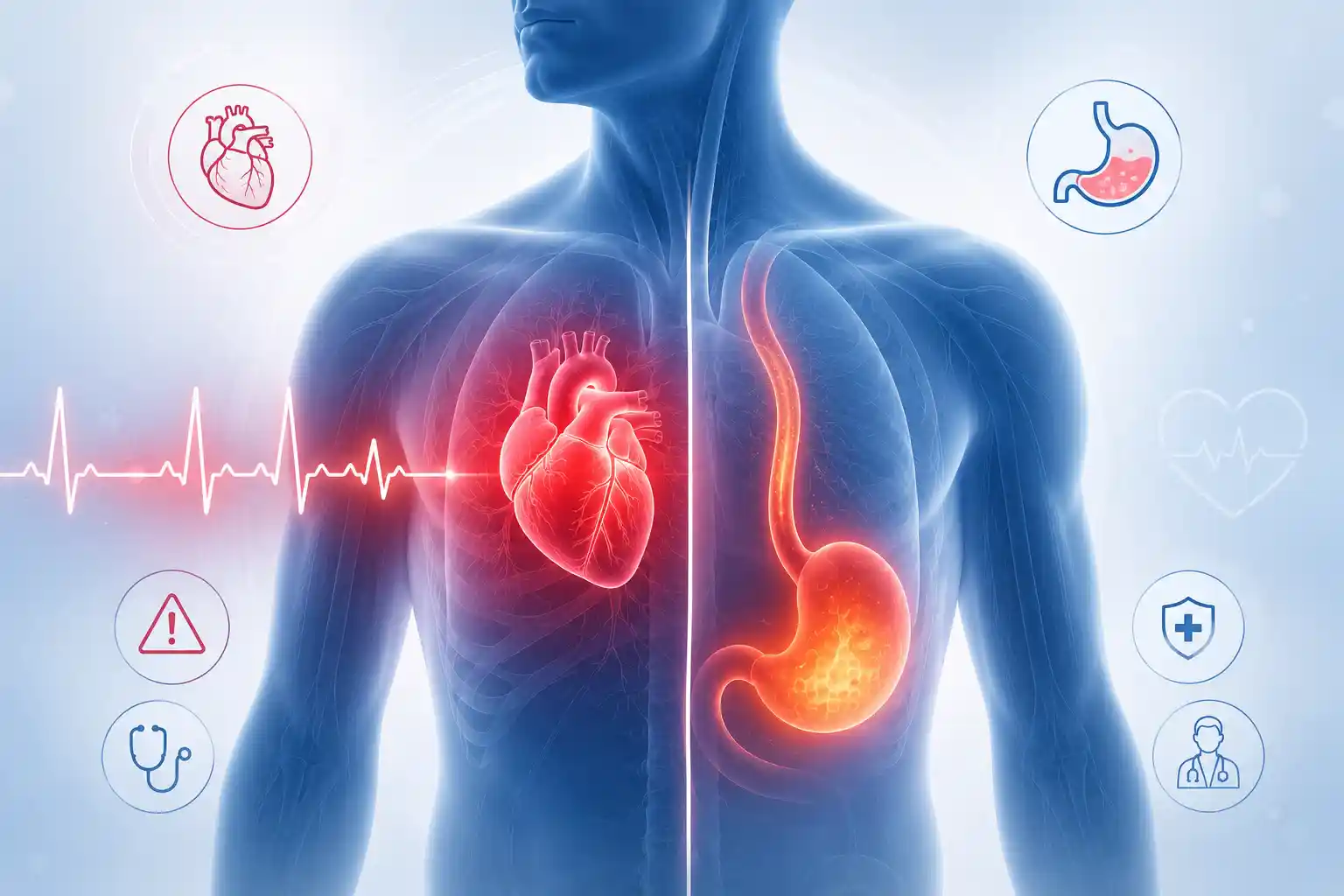
Heart attack symptoms can feel like stomach problems. Some patients feel nausea, vomiting, upper abdominal discomfort, bloating, acidity, or a burning sensation in the chest.
This is one reason heart attacks are sometimes mistaken for gastric issues. If indigestion-like symptoms are unusual, severe, or accompanied by sweating, chest discomfort, breathlessness, or dizziness, do not self-medicate and wait. Get checked urgently.
Feeling tired after a long day is common. But sudden, extreme, unexplained fatigue can be a warning sign, especially in women, older adults, and people with diabetes.
You may feel:
• Too weak to complete normal tasks
• Exhausted after mild activity
• Unusually tired for hours or days
• Weak with dizziness or breathlessness
If fatigue is new, persistent, or appears with chest discomfort, palpitations, sweating, or shortness of breath, it should not be ignored.
A heart attack may reduce blood flow and oxygen supply to the brain, causing dizziness or fainting. Some people feel like they may collapse. Others experience sudden weakness or confusion.
Seek urgent help if dizziness occurs along with:
• Chest pain
• Sweating
• Breathlessness
• Palpitations
• Nausea
• Pain in the arm, jaw, neck, or back
Fainting should always be treated seriously, especially in people with heart disease, diabetes, high blood pressure, or elderly patients.
Palpitations feel like the heart is racing, pounding, fluttering, or skipping beats. Palpitations can happen due to anxiety, caffeine, thyroid problems, or rhythm disorders, but they can also appear during heart-related events.
If palpitations are sudden or occur with chest pain, breathlessness, dizziness, sweating, or fainting, they need emergency evaluation. Do not assume it is only stress.
Some people feel sudden anxiety, restlessness, or a sense of impending danger before or during a heart attack. While anxiety can have many causes, it should not be dismissed if it appears with physical symptoms like chest pressure, sweating, breathlessness, or nausea.
A good rule is simple: if your symptoms feel unusual, intense, or different from your normal pattern, get medical help.
Some heart attack warning signs may not stay constant. Chest tightness, breathlessness, jaw pain, shoulder pain, or fatigue may appear, reduce, and return again.
This can create a false sense of safety. Patients may think, "The pain has gone, so it must not be serious." However, recurring symptoms may indicate unstable blood flow to the heart. Repeated chest discomfort or breathlessness should be assessed by a cardiologist.
Women can have chest pain during a heart attack, but they may also experience symptoms that are less typical. These include:
• Unusual fatigue
• Shortness of breath
• Nausea or vomiting
• Pain in the back, jaw, shoulder, or arm
• Indigestion-like discomfort
• Dizziness
• Cold sweating
• Sleep disturbance or unusual weakness
Because these symptoms can be subtle, women may delay seeking help. Any new or unexplained symptom, especially when combined with risk factors like diabetes, high blood pressure, obesity, menopause, stress, or family history of heart disease, should be taken seriously.
People with diabetes may have silent or less obvious heart attack symptoms because diabetes can affect nerve sensation. Instead of severe chest pain, they may experience:
• Breathlessness
• Sweating
• Fatigue
• Nausea
• Dizziness
• Mild chest discomfort
• Unexplained weakness
• Upper abdominal discomfort
Diabetic patients in Hyderabad who also have high blood pressure, cholesterol, kidney problems, obesity, or a family history of cardiac disease should schedule regular heart check-ups. Early screening can help detect coronary artery disease before it becomes an emergency.
Do not wait for symptoms to become severe. Go to an emergency cardiac care unit immediately if you notice:
• Chest pain, tightness, pressure, or heaviness lasting more than a few minutes
• Pain spreading to the arm, jaw, neck, shoulder, back, or upper abdomen
• Sudden breathlessness
• Cold sweating
• Fainting or severe dizziness
• Nausea or vomiting with chest discomfort
• Palpitations with weakness or breathlessness
• Symptoms that return after settling for a short time
If you are searching for a heart attack emergency near me, cardiac emergency near me, or cardiology hospital near me in Attapur, choose a hospital with emergency cardiac response, ECG, cardiac enzymes testing, cardiologist availability, and cath lab support.
If you suspect a heart attack:
• Call emergency medical help immediately.
• Do not drive yourself to the hospital.
• Sit or lie down and avoid physical activity.
• Loosen tight clothing.
• Keep the patient calm and still.
• Follow the emergency operator's instructions.
• Do not give food or water if the person is drowsy, vomiting, or losing consciousness.
• Take medicines only if advised by a doctor or emergency team.
Do not wait to "see if it passes." In heart attack care, every minute matters.
If you or your family member has chest pain, sudden breathlessness, sweating, dizziness, or pain spreading to the arm or jaw, visit the emergency department immediately. Germanten Hospital, Attapur, Hyderabad provides 24/7 emergency cardiac care and cardiology support.
Early diagnosis helps doctors identify whether symptoms are due to a heart attack, angina, rhythm disorder, heart failure, acidity, anxiety, or another condition. Since symptoms can overlap, medical testing is important.
Common tests may include:
• ECG
• Blood tests such as cardiac enzymes
• Echocardiography
• Chest X-ray
• Stress test, when appropriate
• Coronary angiography, if blockage is suspected
• Holter monitoring for irregular heartbeat
A cardiologist may recommend treatment based on the diagnosis. This may include medicines, angiography, angioplasty, stenting, lifestyle correction, risk-factor management, or long-term cardiac monitoring.
You may be at higher risk if you have:
• High blood pressure
• Diabetes
• High cholesterol
• Smoking or tobacco use
• Obesity
• Lack of physical activity
• Chronic stress
• Poor sleep
• Family history of heart disease
• Previous heart attack or stroke
• Kidney disease
• Sedentary desk job
• Unhealthy diet
• Age above 40, especially with other risk factors
In cities like Hyderabad, long working hours, traffic stress, irregular eating patterns, high screen time, and reduced physical activity can increase lifestyle-related cardiac risk. Regular heart screening is important, especially for working professionals, diabetic patients, and people with hypertension.
You should consult a cardiologist if you have:
• Repeated chest discomfort
• Breathlessness during routine activity
• Palpitations or irregular heartbeat
• High BP that is not controlled
• Diabetes with fatigue or breathlessness
• Family history of heart attack
• High cholesterol
• Unexplained swelling in the legs
• Dizziness or fainting
• Abnormal ECG or health check-up report
If you often search for a cardiologist near me, the best cardiologist in Hyderabad, or a cardiology hospital in Attapur, do not wait until symptoms become an emergency. Preventive cardiac consultation can help detect risks early.
Germanten Hospital provides advanced cardiology care for patients in Attapur and nearby areas of Hyderabad. The cardiology department supports patients with preventive heart screening, diagnosis, emergency cardiac care, and interventional cardiology services.
Patients from Mehdipatnam, Tolichowki, Rajendra Nagar, Shamshabad, Banjara Hills, Jubilee Hills, Gachibowli, Kondapur, and PVNR Expressway-connected areas can access Germanten Hospital for timely heart care.
The cardiology team includes experienced specialists such as Dr. Mohammed Wasif Azam, Interventional Cardiologist, who has extensive experience in managing complex heart conditions, coronary interventions, angioplasty, pacemaker implantation, and minimally invasive cardiac procedures.
Do you have chest discomfort, breathlessness, palpitations, high BP, diabetes, or a family history of heart disease? Book a consultation with the cardiology team at Germanten Hospital, Attapur, Hyderabad.
The early warning signs of a heart attack can be easy to miss because they may feel like acidity, tiredness, stress, or mild discomfort. But chest pressure, shortness of breath, cold sweating, nausea, dizziness, pain in the arm or jaw, and unusual fatigue should never be ignored.
A heart attack is a medical emergency. Acting early can protect heart muscle, reduce complications, and improve the chances of recovery. If you or someone near you has symptoms of a heart attack, seek emergency medical care immediately.
For expert cardiac evaluation, preventive heart check-ups, and emergency heart care in Hyderabad, visit Germanten Hospital, Attapur.
Concerned about chest discomfort, breathlessness, palpitations, high BP, diabetes, or heart attack risk? Schedule a consultation with the cardiology team at Germanten Hospital, Attapur, Hyderabad.
The early warning signs of a heart attack include chest pressure, tightness, pain spreading to the arm or jaw, shortness of breath, sweating, nausea, dizziness, unusual fatigue, and palpitations. Symptoms may be mild or may come and go, so do not ignore them.
Yes. Some people, especially women, elderly patients, and diabetic patients, may have a heart attack without severe chest pain. They may experience breathlessness, fatigue, nausea, sweating, dizziness, jaw pain, back pain, or mild discomfort.
Acidity may cause burning or bloating, but heart-related pain may feel like pressure, heaviness, tightness, or discomfort that spreads to the arm, jaw, neck, back, or shoulder. If chest discomfort comes with sweating, breathlessness, nausea, dizziness, or weakness, seek emergency care.
Call emergency medical help immediately. Keep the person seated or resting, avoid exertion, do not let them drive, and follow emergency instructions. Do not delay medical care to try home remedies.
Yes. Germanten Hospital, Attapur, Hyderabad provides 24/7 emergency cardiac care and cardiology support for patients with chest pain, breathlessness, sweating, suspected heart attack, and other urgent cardiac symptoms.
Dr. Mohammed Wasif Azam is an Interventional Cardiologist at Germanten Hospital, Attapur, Hyderabad. He has experience in coronary interventions, angioplasty, pacemaker implantation, and minimally invasive cardiac procedures.
https://www.cdc.gov/heart-disease/about/heart-attack.html
https://www.cdc.gov/heart-disease/about/women-and-heart-disease.html
https://www.cdc.gov/heart-disease/risk-factors/index.html
https://www.nhs.uk/conditions/heart-attack/
https://www.mayoclinic.org/diseases-conditions/heart-attack/symptoms-causes/syc-20373106
https://www.who.int/news-room/fact-sheets/detail/cardiovascular-diseases-%28cvds%29
https://www.heart.org/en/health-topics/heart-attack/warning-signs-of-a-heart-attack