10 Massages and Stretches for a Frozen Shoulder
June 15, 2023

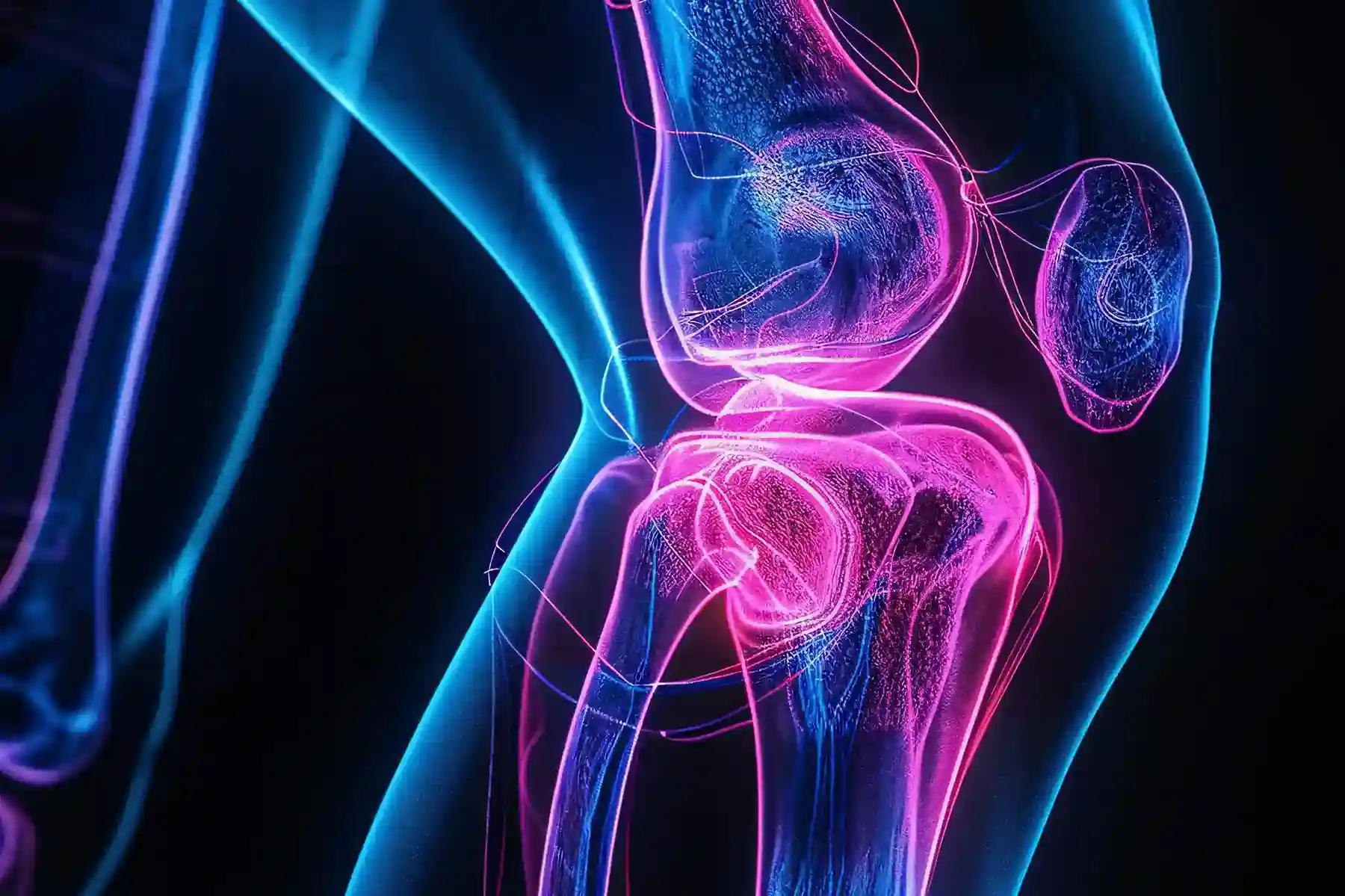
Knee pain is one of the most common reasons people in India lose their independence. What starts as mild discomfort when climbing stairs slowly becomes constant pain that affects sleep, daily movement, and quality of life. For millions of patients, knee replacement surgery is the most effective long-term solution. But not all knee replacement surgeries are the same.
At Germanten Hospital in Hyderabad, we perform robotic knee replacement surgery using German precision technology, the same technology used in top hospitals in Munich. The results speak for themselves: over 20,000 successful surgeries, more than 1 million happy patients, and 40 plus global awards recognising excellence in orthopaedic care.
This blog explains everything you need to know about robotic knee replacement surgery, who needs it, how it works, and why Germanten Hospital is the most trusted choice for patients across India and internationally.
Traditional knee replacement surgery relies entirely on the surgeon's manual skill and pre-operative measurements. It is effective, but it leaves room for small alignment errors that can affect how the implant feels and how long it lasts.
Robotic knee replacement surgery adds a layer of precision that manual techniques simply cannot match. Here is how it works:
Before the surgery, a CT scan of the patient's knee is used to create a three-dimensional virtual model of their specific anatomy. The robotic system uses this model to plan the exact positioning of the implant tailored to that individual's bone structure, alignment, and movement patterns.
During surgery, the robotic arm assists the surgeon by guiding every cut and placement within a pre-set boundary. The system physically prevents any movement outside the planned surgical zone. This means the bone is cut to exactly the right depth, angle, and position every single time.
The result is a knee replacement that fits the patient's unique anatomy with a level of precision that was not possible before robotic technology arrived in India.
The longevity and comfort of a knee implant depend heavily on how accurately it is aligned during surgery. Even a few degrees of misalignment can cause:
Robotic-assisted surgery eliminates most of these risks. Studies consistently show that robotically placed implants have better alignment, better functional outcomes, and longer projected survival compared to manually placed implants.
For patients who want to remain active well into their 60s, 70s, and beyond, this level of precision is not a luxury. It is a necessity.
Knee replacement surgery is recommended when non-surgical treatments like physiotherapy, pain management injections, and lifestyle changes are no longer providing adequate relief. Common conditions that lead to knee replacement include:
Osteoarthritis: The most common cause. The protective cartilage in the knee wears away over time, leaving bone rubbing against bone. This causes pain, swelling, stiffness, and progressive loss of mobility.
Rheumatoid Arthritis: An autoimmune condition in which the lining of the knee joint becomes inflamed and gradually destroys cartilage and bone. It often affects younger patients than osteoarthritis.
Post-Traumatic Arthritis: Arthritis that develops after a serious knee injury such as a fracture or ligament tear, even years after the original injury has healed.
Severe Knee Deformity: Bow legs, knock knees, or other structural deformities that cause uneven joint loading and progressive damage.
You may be a candidate for knee replacement if you experience:
Not every patient requires the same procedure. Germanten Hospital offers a full range of knee replacement options based on the extent of joint damage:
Total Knee Replacement: The most common procedure, in which the entire knee joint surface is replaced with metal and plastic components. Suitable for patients with advanced arthritis affecting the whole joint.
Partial Knee Replacement: Only the damaged compartment of the knee is replaced, preserving healthy bone and tissue in the rest of the joint. Results in a more natural feel and faster recovery. Suitable for patients with damage confined to one area of the knee.
Robotic Knee Replacement: Germanten's flagship offering. Whether total or partial, the procedure is performed with robotic assistance for superior accuracy, personalised fit, and better long-term outcomes.
Revision Joint Replacement: For patients whose previous knee replacement has failed, loosened, or worn out. A complex procedure that requires highly specialised expertise. Dr. Mir Jawad Zar Khan is one of India's leading revision joint replacement surgeons.
What sets Germanten Hospital apart from every other orthopaedic hospital in Hyderabad is a genuine, long-standing collaboration with German medical institutions and surgeons.
Dr. Mir Jawad Zar Khan completed his Fellowship in Arthroplasty in Munich, Germany, where he trained alongside some of Europe's finest joint replacement surgeons. He brought not just the knowledge but the actual technology back to Hyderabad, making Germanten the first hospital in Telangana to introduce robotic and computer navigation technology in joint replacement surgeries.
Our chief international advisor is Dr. V. Martinek, Head of Knee Replacement Surgery at University Hospital Munich, Germany. With over three decades of experience, Dr. Martinek is one of the world's most recognised pioneers in joint replacement surgery and sports injuries. His ongoing guidance ensures that Germanten's surgical protocols remain aligned with the very best international standards.
This is not a marketing claim. It is a 45-year legacy of international collaboration, continuous learning, and uncompromising standards that no other hospital in Telangana can match.
Step 1: Consultation and Assessment Your journey begins with a detailed consultation with Dr. Mir Jawad Zar Khan or one of our senior orthopaedic specialists. We review your X-rays, MRI scans, medical history, and lifestyle requirements to determine whether knee replacement is the right option and which type is most appropriate for you.
Step 2: Pre-Surgical Planning A CT scan is performed to create your personalised 3D surgical plan. The robotic system maps your unique anatomy, calculates the ideal implant size and positioning, and programmes the surgical boundaries before you ever enter the operation theatre.
Step 3: The Surgery The procedure typically takes 1.5 to 2 hours under spinal or general anaesthesia. The robotic arm assists the surgeon with every cut and placement, ensuring the implant is seated with millimetre accuracy. Blood loss is minimised and tissue damage is significantly reduced compared to traditional surgery.
Step 4: Recovery and Physiotherapy Most patients begin walking with assistance within 24 hours of surgery. Our in-house physiotherapy team starts rehabilitation immediately, with a structured programme that progresses from basic movement to stair climbing, outdoor walking, and eventually return to regular activities.
Step 5: Long-Term Follow-Up Germanten's care does not end when you leave the hospital. Regular follow-up appointments track implant performance, manage any concerns early, and ensure your new knee continues to serve you well for decades.
Recovery from robotic knee replacement at Germanten is faster and more predictable than traditional surgery, thanks to the reduced tissue disruption and precise implant placement.
Days 1 to 3: Patient is in hospital, walking with a walker, beginning physiotherapy exercises for the knee, ankle, and thigh.
Week 1 to 2: Most patients are discharged home. Walking with a walker or cane, performing daily physiotherapy exercises, managing normal hygiene and meals independently.
Week 3 to 6: Transitioning from walker to cane in many patients. Increasing walking distance. Climbing stairs with assistance. Driving typically resumes at around 4 to 6 weeks for the non-operative leg.
Month 2 to 3: Most patients are walking without support. Returning to light daily activities, shopping, and social engagements. Physiotherapy continues.
Month 3 to 6: Majority of patients report significant pain relief and restored function. Many return to walking for exercise, travelling, and light recreational activities.
12 months and beyond: Most patients have achieved their full functional recovery. Many describe their new knee as feeling completely natural.
Germanten Hospital believes surgery should always be the last resort after non-surgical options have been genuinely explored. For patients with moderate knee arthritis or those who want to delay surgery, we offer a comprehensive range of advanced non-surgical treatments:
PRP Therapy: Platelet-rich plasma injections use growth factors from the patient's own blood to promote cartilage healing and reduce inflammation.
Stem Cell Therapy: Regenerative injections that stimulate the body's own repair mechanisms to slow cartilage degeneration.
Hyaluronic Acid Injections: Visco supplementation injections that restore joint lubrication, reducing friction and pain.
Genicular Artery Embolization: A minimally invasive procedure that reduces blood supply to inflamed knee tissue, providing significant pain relief without surgery.
Coolief RF Therapy: Radiofrequency treatment that disrupts the pain signals from the knee nerves, providing long-lasting relief for arthritis pain.
Shockwave Therapy: Acoustic wave therapy that stimulates healing in damaged joint tissues and reduces chronic pain.
Physiotherapy and Rehabilitation: Structured exercise programmes that strengthen the muscles around the knee, improving joint stability and reducing pain.
Our orthopaedic team will guide you honestly about which option is most appropriate for your specific stage of disease. We never recommend surgery when a less invasive treatment can achieve good results.
Germanten Hospital welcomes patients from across the globe seeking world-class orthopaedic care at a fraction of the cost compared to Western countries. Patients from the United Kingdom, United States, Middle East, Africa, and Southeast Asia regularly choose Germanten for knee replacement surgery because of:
If you are considering travelling to India for knee replacement surgery, Germanten Hospital is the most trusted destination in Hyderabad.
How long does a robotic knee replacement last? Modern knee implants placed with robotic precision are designed to last 20 to 25 years or more in most patients. Factors like body weight, activity level, and follow-up care influence longevity. Our patients consistently achieve excellent long-term outcomes.
Is robotic knee replacement surgery painful? You will be under anaesthesia during the procedure and feel no pain. Post-operative discomfort is managed with a structured pain management protocol. Most patients are surprised by how manageable the recovery is compared to their expectations.
What is the age limit for knee replacement surgery? There is no strict age limit. Germanten Hospital has successfully performed knee replacements on patients in their 40s through their 90s. The decision is based on overall health, quality of life impact, and surgical fitness, not age alone.
Can both knees be replaced at the same time? Yes, bilateral knee replacement can be performed in the same surgical session for eligible patients. Our team will assess whether this is appropriate based on your overall health and the condition of both knees.
What happens if I do nothing? Advanced knee arthritis tends to progress without treatment. Delaying surgery when it is genuinely needed often means more bone damage, weaker muscles, poorer post-operative outcomes, and greater impact on quality of life. We encourage patients to seek an honest assessment early.
Does Germanten Hospital accept insurance? Yes. Germanten Hospital is empanelled with major insurance companies and TPA providers across India. Our team will assist you in navigating the insurance process from pre-authorisation to claim settlement.
Knee pain should not define how you live. With the right diagnosis, the right surgeon, and the right technology, a pain-free, active life is completely achievable even after decades of suffering.
At Germanten Hospital, we bring together 45 years of orthopaedic experience, German precision technology, and a genuine commitment to each patient's long-term wellbeing. Whether you need robotic knee replacement, a non-surgical treatment programme, or simply an honest second opinion, our team is here for you.
Book your consultation with Dr. Mir Jawad Zar Khan today. Your knees deserve German precision.
Call us at 9989635555 or 9000909073. Email info@germantenhospitals.com. Walk in to our hospital at Attapur, Hyderabad.