10 Massages and Stretches for a Frozen Shoulder
June 15, 2023
Imagine waking up with a sharp pain shooting down your leg just because you bent forward to pick up your shoes. For many people, this isn’t just a one-time fluke. That nagging back pain keeps showing up, turning simple tasks into uncomfortable experiences. One of the most common causes behind this is a slipped disc. Thankfully, surgery is not the only way out. With the right care, patience, and guidance, most people recover fully without ever seeing an operating room.
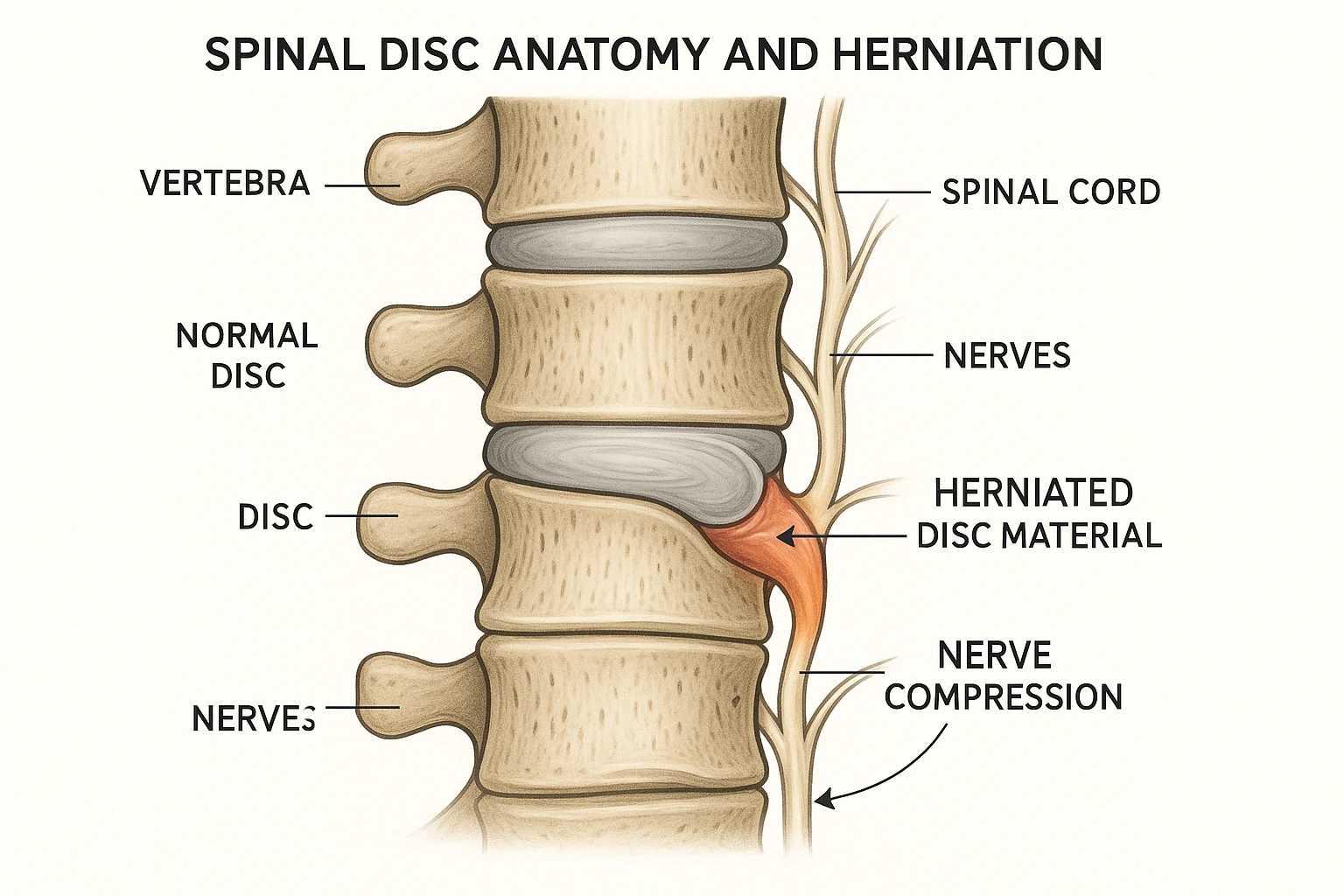
A slipped disc, also known as a herniated or prolapsed disc, is when one of the soft cushions between your spine bones bulges or tears, pressing on nearby nerves and causing pain, numbness, or weakness.
Your spine is made of small bones called vertebrae, and between each of these bones sits a disc that acts like a cushion. Each disc has a tough outer ring and a soft, jelly-like center. When this inner material pushes out through a crack in the outer ring, it's called a slipped or herniated disc.
Slipped discs most often affect the lower back but can also occur in the neck. Common reasons include:
Most people fear they’ll need surgery once they hear "slipped disc," but the truth is that over 90% recover with non-surgical treatments. That includes physical therapy, self-care at home, and lifestyle changes. Surgery is usually only considered when symptoms are severe or don't improve after several months.
Physiotherapy is one of the most effective tools for healing a slipped disc naturally. A trained physiotherapist will develop a personalized program that includes:
Always consult a physiotherapist before starting any exercise routine to avoid worsening your symptoms.
Bad habits like slouching or bending incorrectly can keep your disc from healing. Small changes in how you sit, stand, and move can reduce pain and prevent future flare-ups.
Living with pain affects your mental well-being. Fear of movement and anxiety can actually make recovery slower. This is known as fear-avoidance behavior. A key part of healing is staying active, both mentally and physically.
Note: Everyone heals at their own pace. Setbacks are common but usually temporary.
Yes, in most cases. With consistent therapy, good habits, and professional guidance, you can recover fully. The goal is not just to relieve pain but also to prevent future episodes.
Seek urgent care if you experience:
At Germanten Hospital, we specialize in orthopedic care and rehabilitation. Our physiotherapy team creates customized plans for every patient. Whether you're in the early stages of pain or facing ongoing discomfort, our focus is helping you return to daily life safely and naturally.
If you're wondering where to start, our team is here to guide you every step of the way.
You don't have to live in fear of surgery. Most slipped discs heal with the right non-surgical care, movement habits, and support. Focus on gentle exercise, posture, and listening to your body.
What one small change can you make today to help your back heal?
Ready to take the first step toward recovery? Our team at Germanten Hospital is here to help.