10 Massages and Stretches for a Frozen Shoulder
June 15, 2023

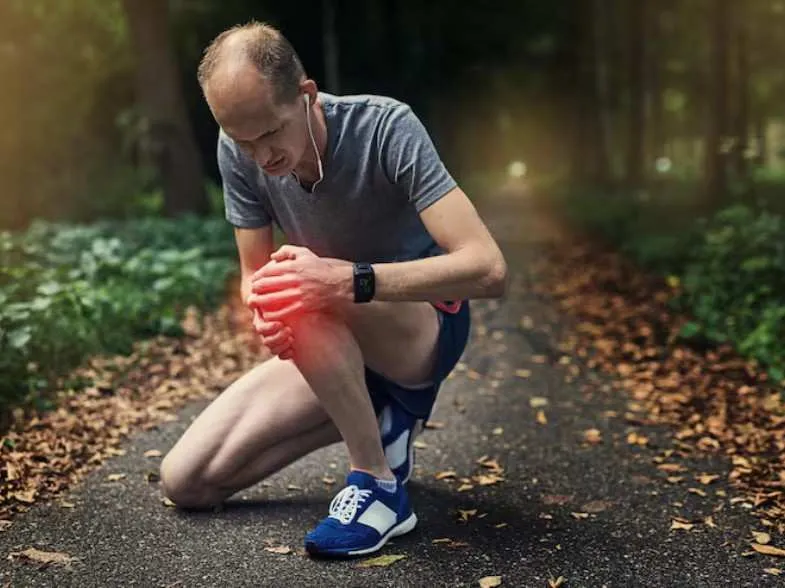
For many women, the transition into menopause is synonymous with hot flashes and night sweats. However, there is a "silent" symptom that often takes women by surprise, sometimes appearing years before their last period: joint pain & Spine Surgery.
Often dismissed as "just getting older," menopausal joint pain (clino-arthralgia) is a distinct biological phenomenon. Understanding the connection between your hormones and your hips, hands, and knees is the first step toward reclaiming your mobility.
If you feel like you’ve aged ten years overnight, you aren't alone. Studies suggest that over 50% of women experience musculoskeletal symptoms during the menopausal transition.
The primary culprit is the dramatic decline in estrogen. We often think of estrogen solely as a reproductive hormone, but it actually serves as a vital regulator for the entire musculoskeletal system. Estrogen helps maintain the hydration of cartilage, regulates collagen production, and acts as a natural anti-inflammatory.
As estrogen levels fluctuate and eventually drop during perimenopause and menopause, the "cushioning" effects of the hormone vanish. This leads to:
To understand why your joints are aching, we have to look at the three main pillars of joint health that menopause affects:
Estrogen acts as a natural "brake" on the body’s inflammatory response. When this brake is removed, systemic inflammation increases. This is why many women report that their pain isn't localized to just one spot; it feels like an overall "achiness" or flu-like soreness in the limbs.
While joint pain and bone pain are technically different, they are deeply linked. Menopause accelerates bone loss (osteoporosis). As the underlying bone structure weakens, it can change the alignment of the joints, putting undue stress on the surrounding cartilage and ligaments.
Ligaments and tendons are rich in estrogen receptors. Estrogen keeps these tissues supple. When levels drop, tendons can become less flexible and more prone to injury or tendonitis. This is why conditions like Carpal Tunnel Syndrome or Plantar Fasciitis often flare up during this life stage.
Menopausal joint pain doesn't always feel like a standard injury. It has a specific profile that distinguishes it from general "wear and tear."
Note: It is crucial to distinguish between menopausal joint pain and inflammatory conditions like Rheumatoid Arthritis (RA) or Osteoarthritis (OA). If your joints are red, hot to the touch, or if you have a family history of autoimmune issues, consult a specialist.
The good news is that you do not have to "just live with it." Treatment usually involves a multi-pronged approach targeting both hormones and lifestyle.
Since the root cause is estrogen deficiency, HRT is often the most effective treatment. By stabilizing hormone levels, many women find that joint lubrication improves and systemic inflammation decreases.
What you eat can either fuel inflammation or fight it.
It sounds counterintuitive to move when you are in pain, but physical activity is essential.
What’s the Outlook for People with Joint Pain During Menopause?
The "menopause transition" is exactly that—a transition. For many women, once their hormones stabilize in post-menopause and they implement a management plan, the acute "aching" sensation often settles.
However, the risk of developing Osteoarthritis does increase after menopause. This is why early intervention is key. By addressing the pain now through exercise, diet, and potentially HRT, you are not just treating a symptom—you are protecting your long-term mobility. With the right care, most women can maintain an active, pain-free lifestyle well into their later years.
Finding Support if You Have Joint Pain at Menopause
Navigating menopause can feel isolating, but you are part of a massive demographic going through the exact same shift.
Your joints are the gears of your independence. By understanding the hormonal mechanics behind the ache, you can take the necessary steps to grease the wheels and keep moving forward with confidence.