10 Massages and Stretches for a Frozen Shoulder
June 15, 2023
When a cardiologist recommends an angiography or heart procedure, one of the first practical questions families ask is about the cost for angiography and the possible cost of treatment that may follow. It is a reasonable concern, particularly when investigations lead to angioplasty, coronary artery bypass grafting (CABG), pacemaker implantation or another cardiac procedure.
There is no single price that applies to every patient. The final amount depends on the procedure required, complexity of the heart condition, diagnostic tests, type of implant or device, hospital stay, medicines, insurance coverage and whether treatment is planned or needed as an emergency.
Understanding what makes up the estimate can help patients ask better questions and compare treatment plans more responsibly.
Coronary angiography is an investigation used to examine blood flow through the coronary arteries. During invasive coronary angiography, a catheter is guided into an artery, contrast material is introduced and X-ray imaging is used to identify narrowing or blockage in the arteries supplying the heart.
It may be recommended when symptoms, ECG findings, stress testing or other investigations suggest significant coronary artery disease. Angiography is mainly a diagnostic procedure. If an important blockage is identified, the cardiologist may recommend medication, angioplasty with stenting, or bypass surgery depending on the coronary anatomy and the patient’s overall condition.
An invasive coronary angiogram and CT coronary angiography are different investigations. Invasive coronary angiography uses arterial catheterisation, whereas CT coronary angiography is a non-invasive imaging test performed with a CT scanner and intravenous contrast. The appropriate test depends on symptoms, risk profile and the clinical question being investigated.
A patient may need ECG, blood investigations, kidney-function testing, echocardiography or additional imaging before angiography. The tests required vary according to age, symptoms, medical history and kidney function. These investigations can affect the total estimate even when the angiography fee itself is unchanged.
Some stable patients may need only a short observation period, while people with complex disease, additional medical conditions or emergency presentation may require hospital admission. Room category, monitoring requirements and duration of stay can therefore influence the overall bill.
An angiogram shows the anatomy of the coronary arteries. If a significant blockage is found, the next step may be medical management, angioplasty and stenting, or CABG. Patients should ask whether the estimate covers diagnostic angiography only or whether it also includes any possible intervention.
Coronary artery bypass grafting, commonly called CABG or bypass surgery, creates a new route for blood to reach heart muscle when coronary arteries are significantly narrowed or blocked. Healthy blood vessels from another part of the body are used to bypass the affected coronary artery.
The CABG operation cost can vary because the surgery is not identical for every patient. Important cost drivers can include:
“Open-heart surgery” is a broad term rather than one specific operation. Depending on the condition, heart surgery can involve CABG, valve repair or replacement, or correction of certain structural heart problems. This is why open heart surgery cost cannot be estimated accurately from the phrase “open-heart surgery” alone.
Before comparing estimates, patients and families should clarify:
A detailed written estimate is more useful than comparing a single headline package price because it makes inclusions and exclusions visible.
A pacemaker is a small cardiac device that sends electrical impulses when needed to help maintain an appropriate heartbeat. Traditional pacemakers are usually implanted beneath the skin and connected to the heart through one or more leads. Device type and implantation approach vary according to the rhythm disorder and the patient’s clinical needs.
Pacemaker surgery cost can be influenced by:
For people looking for care for heart rhythm disorders or device-related conditions, the Cardiology Department in Hyderabad offers specialized cardiac services, including rhythm management and pacemaker-related treatment.
People searching for heart operation cost are often comparing hospitals before they know the exact procedure they need. A meaningful estimate should ideally separate the major components of care.
These may include specialist consultation, blood tests, ECG, echocardiography, imaging and pre-anaesthetic evaluation.
These may include the operating theatre or Cath Lab, professional fees, anaesthesia, consumables, stents, graft-related supplies or cardiac devices when required.
Room or ICU charges, nursing care, medicines, monitoring and additional investigations during admission can affect the final bill.
Follow-up consultations, medicines, wound care, rehabilitation, repeat testing and device checks may also need to be considered when planning the complete treatment budget.
Health insurance may cover eligible cardiac investigations and procedures depending on the policy, waiting periods, exclusions, room eligibility, pre-authorisation requirements and clinical indication. For planned treatment, patients should contact both the insurer and the hospital insurance desk before admission and request written confirmation of coverage wherever possible.
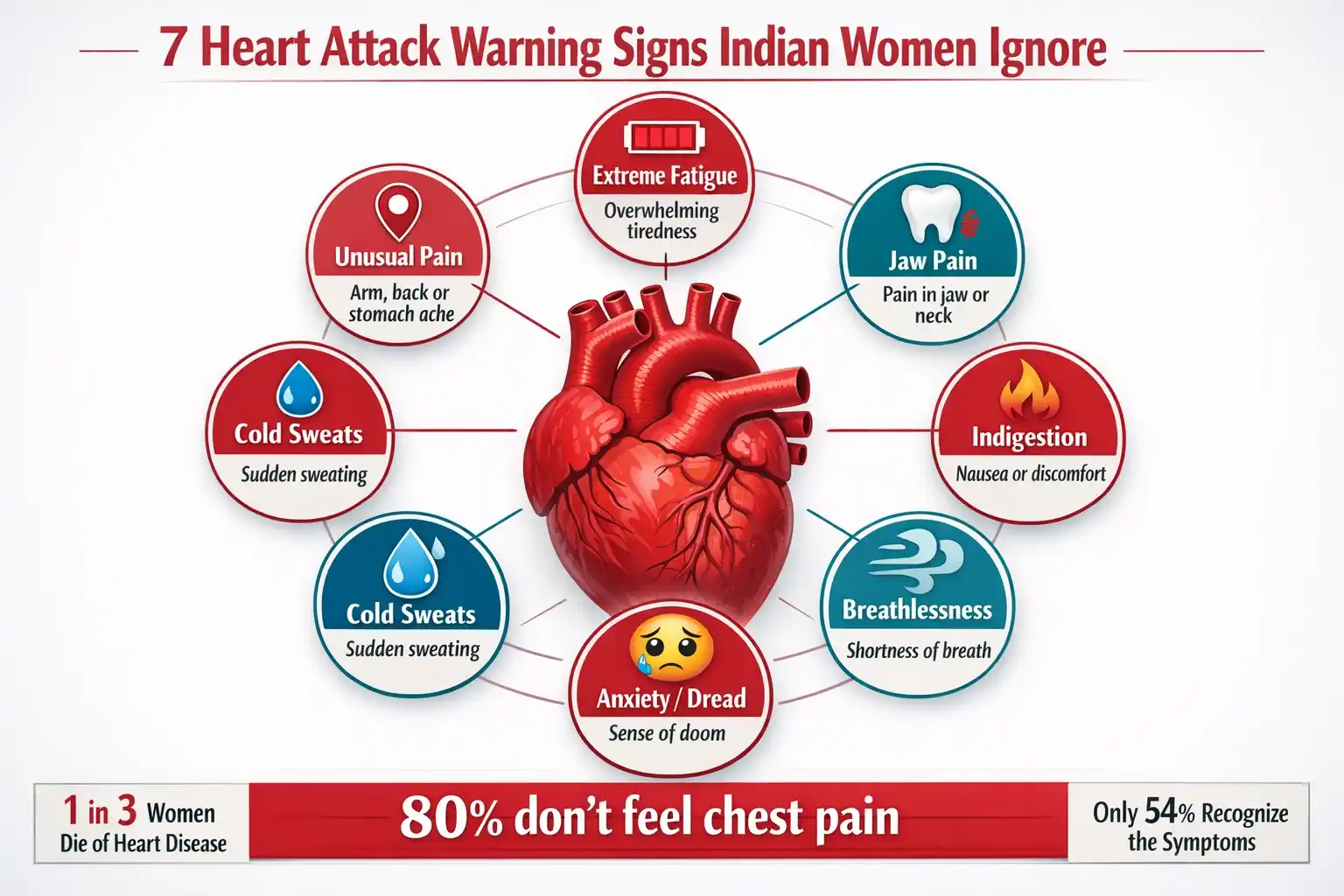
Cost comparison is useful for planned treatment, but suspected heart-attack symptoms require urgent assessment. Heart-attack symptoms can include chest pressure or discomfort, shortness of breath, pain or discomfort in the arms, shoulder, back, neck or jaw, sweating, nausea and dizziness. Symptoms can vary from person to person.
For more information about heart attack symptoms, treatment, and emergency care, explore our heart attack treatment and emergency care guide. If symptoms suggest a heart attack, seek emergency medical attention immediately rather than delaying care to compare procedure costs.
Instead of asking only “What is the cost?”, share the diagnosis and the cardiologist’s recommended procedure with the hospital billing or insurance team. Ask for a written estimate that clearly states what is included and excluded.
This approach gives families a more realistic picture of the likely financial commitment and reduces the risk of comparing packages that include different components.
The cost for angiography, CABG operation cost, open heart surgery cost and pacemaker surgery cost cannot be represented accurately by one figure for every patient. Costs depend on the diagnosis, procedure complexity, equipment or devices required, hospitalisation and the patient’s individual medical needs.
The first step should be an accurate cardiac diagnosis. Once the cardiologist determines the appropriate investigation or treatment, the hospital can provide a procedure-specific estimate that is more meaningful than a generic online price.
For evaluation of chest pain, suspected coronary artery disease, an abnormal cardiac test or a recommended heart procedure, consult a cardiologist in Hyderabad at Germanten Hospitals, Attapur. For emergencies, seek immediate medical care rather than waiting for an appointment or cost quotation.
There is no single price that applies to every patient. The cost can vary with the type of angiography, pre-procedure investigations, hospital setting, observation or admission needs and whether additional treatment is required.
No. Angiography is used to visualise the coronary arteries. Angioplasty is a treatment used to open an appropriately selected narrowed or blocked artery, usually with a balloon and often a stent.
The number of grafts, complexity of coronary disease, surgical approach, ICU requirements, hospital stay, consumables and associated medical conditions can influence the final amount.
No. CABG is one type of heart surgery. Other operations can involve heart valves, structural abnormalities or other cardiac conditions.
Not always. Patients should ask whether the estimate includes the device, implantation procedure, hospital stay, investigations, programming and follow-up.
Coverage depends on the individual policy, clinical indication, waiting periods, exclusions and insurer approval. Confirm coverage with both the insurer and hospital before planned treatment.
Medical Disclaimer: Treatment decisions and costs vary from patient to patient. The information provided is for general awareness and should not replace consultation with a qualified cardiologist. In a cardiac emergency, seek immediate medical attention rather than delaying care to compare costs.