Coronary Artery Disease Treatment in Hyderabad | Germanten

Coronary Artery Disease Treatment in Hyderabad


Advanced Heart Care at Germanten

Cardiology Treatments

Coronary Artery Disease Treatment in Hyderabad

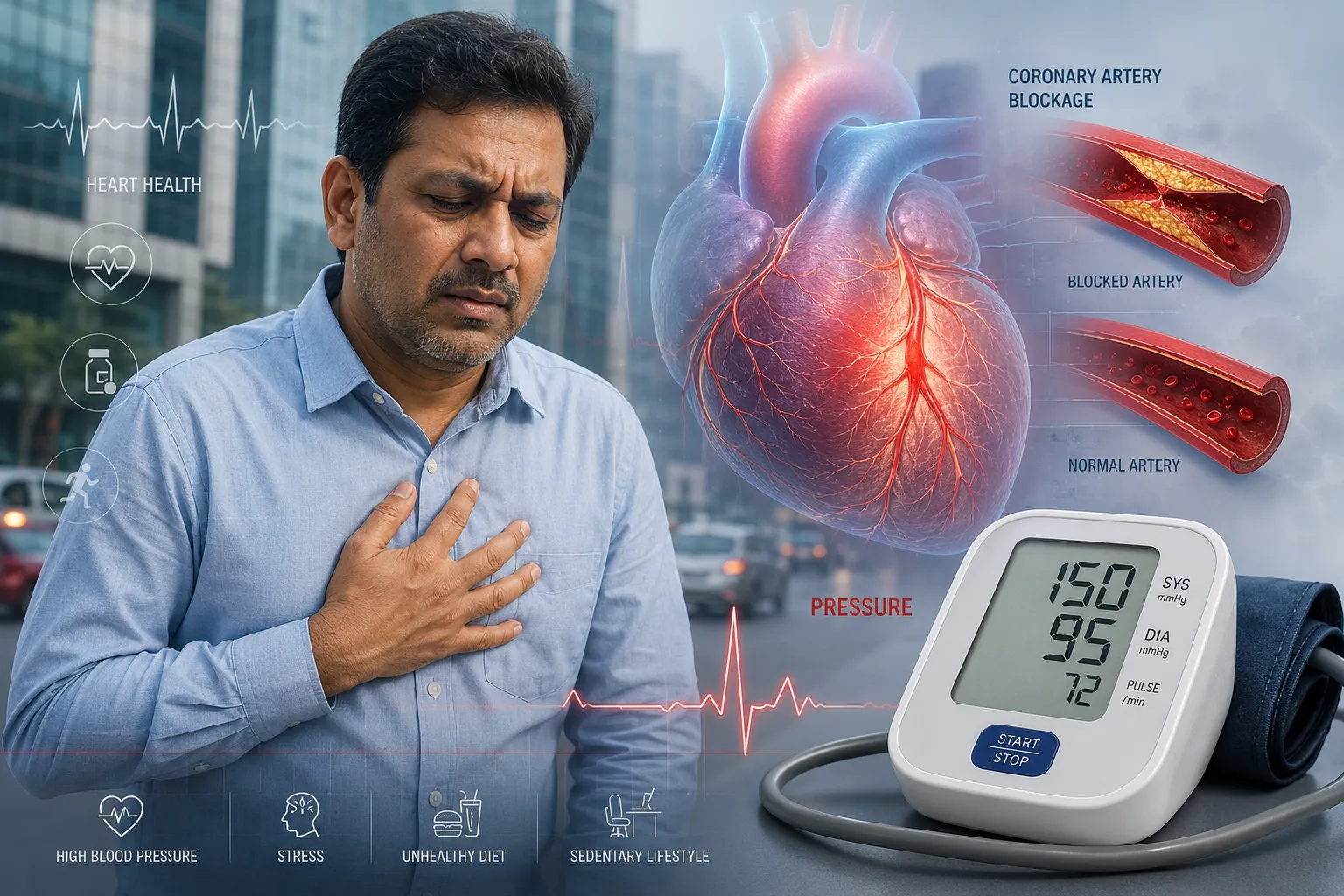
Coronary artery disease is the most common form of heart disease in India and the leading cause of heart attacks. It develops when plaque, a mixture of cholesterol, calcium, and other substances, builds up inside the coronary arteries that supply blood to the heart muscle. Over time, this buildup narrows the arteries, reduces blood flow, and can eventually block them entirely.

At Germanten Hospital, Attapur, our interventional cardiologists diagnose and treat coronary artery disease using a full range of procedures, from non-invasive stress testing and CT angiography through to coronary angioplasty, stenting, and bypass surgery. Early detection dramatically improves outcomes, and most patients with CAD can lead full, active lives with the right treatment and lifestyle management.

What is Coronary Artery Disease?

The coronary arteries are the blood vessels that wrap around the heart and deliver oxygen-rich blood to the heart muscle. When these arteries are healthy, blood flows freely. In coronary artery disease, fatty deposits called plaques form on the inner walls of these arteries over many years, a process known as atherosclerosis.

As plaques grow, the arteries become narrower and stiffer. This restricts blood flow to the heart, causing chest pain or breathlessness during exertion. If a plaque ruptures suddenly, a blood clot can form and completely block the artery, causing a heart attack. CAD can develop silently over decades before symptoms appear, which is why regular cardiac screening is particularly important for anyone with risk factors.

Symptoms of Coronary Artery Disease

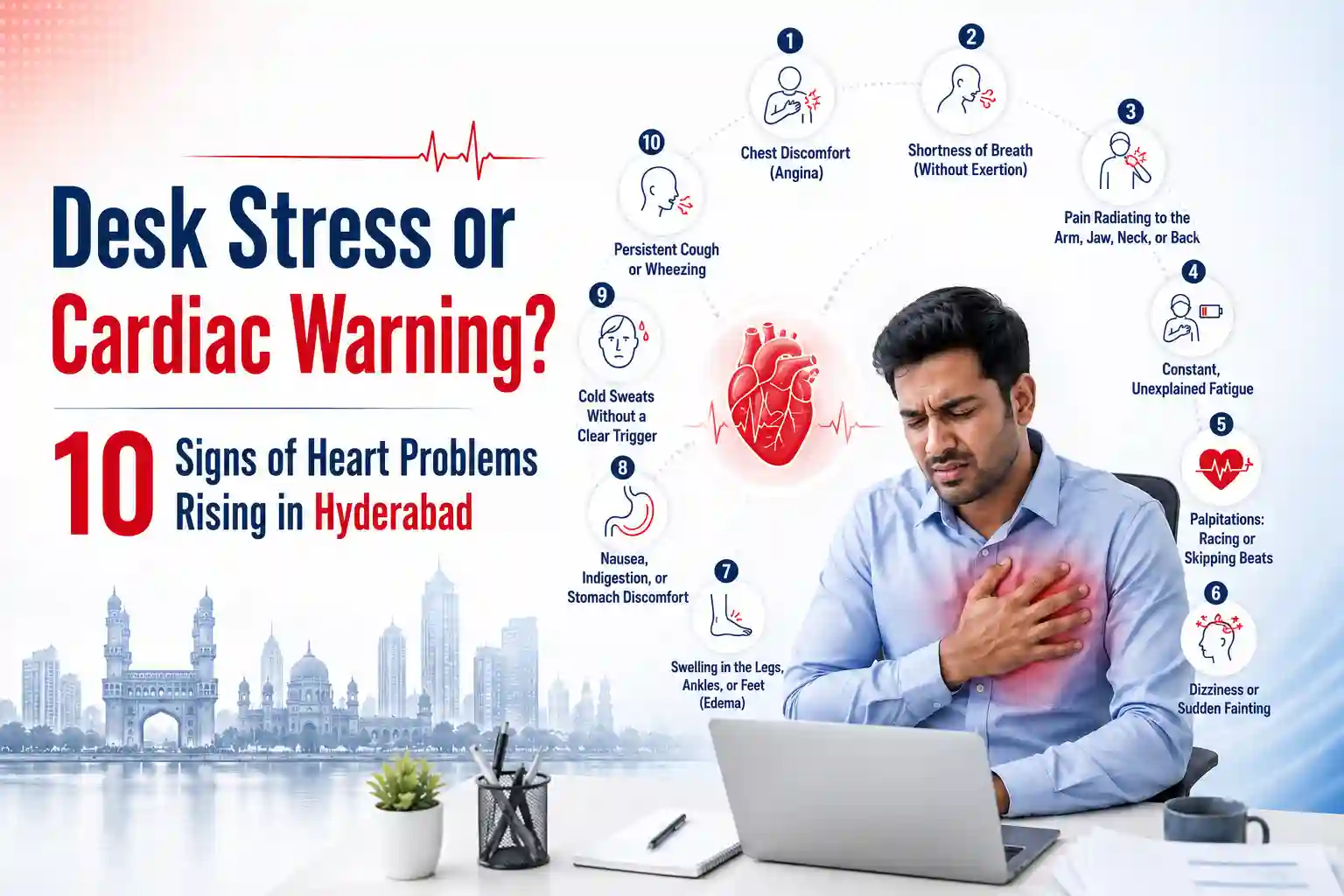
CAD often produces no symptoms in its early stages. When symptoms do appear, they typically indicate significant narrowing of one or more coronary arteries.

  • Angina (chest pain or discomfort):
    A pressing, squeezing, or burning sensation in the chest, usually triggered by physical activity or emotional stress and relieved by rest. This is the most common symptom of CAD.
  • Shortness of breath:
    Feeling breathless during activities that previously caused no difficulty, or even at rest in more advanced cases.
  • Heart attack:
    In some patients, the first sign of CAD is a heart attack. Symptoms include severe chest pain, pain radiating to the left arm, jaw, or back, sweating, nausea, and dizziness.
  • Fatigue:
    Unusual tiredness, particularly during physical activity, as the heart struggles to pump enough blood through narrowed arteries.
  • Palpitations:
    An awareness of irregular or rapid heartbeats, sometimes associated with reduced blood flow to the heart muscle.

If you experience sudden, severe chest pain lasting more than a few minutes, call emergency services or go directly to Germanten Hospital's 24/7 casualty. Do not wait. Time is muscle.

Causes and Risk Factors

Atherosclerosis, the underlying cause of CAD, is driven by a combination of lifestyle, metabolic, and genetic factors. The more risk factors a person has, the faster plaque can accumulate.

  • High Blood Pressure (Hypertension)
    Elevated pressure damages artery walls over time, making them more susceptible to plaque buildup. Hypertension is present in over 30% of Indian adults.
  • High Cholesterol (Dyslipidemia)
    Excess LDL cholesterol deposits into artery walls. Low HDL cholesterol reduces the body's ability to clear these deposits.
  • Type 2 Diabetes
    High blood sugar damages blood vessel walls and accelerates atherosclerosis. Indians develop diabetes at lower BMI levels and younger ages than Western populations.
  • Smoking
    Tobacco smoke damages the endothelium (inner artery lining), promotes inflammation, and reduces oxygen delivery to the heart.
  • Obesity and Sedentary Lifestyle
    Excess body fat, particularly abdominal fat, raises cholesterol, blood pressure, and blood sugar levels simultaneously.
  • Family History
    A parent or sibling who had a heart attack before age 55 (men) or 65 (women) significantly increases personal risk.
  • Age
    Risk increases with age. However, heart attacks in younger adults, particularly those under 45, are increasingly common in India.
  • Chronic Stress
    Prolonged psychological stress raises cortisol and adrenaline, which over time contribute to hypertension and plaque formation.

How Coronary Artery Disease is Diagnosed

Diagnosis typically involves a combination of clinical assessment, blood tests, and imaging investigations. Our cardiology team at Germanten reviews all results personally and discusses findings with patients before recommending any treatment.

  • ECG (Electrocardiogram):
    Records the heart's electrical activity. Can detect signs of prior heart attack or ischemia.
  • Treadmill Stress Test (TMT):
    Monitors the heart's response to physical exertion. Identifies stress-induced ischemia not visible at rest.
  • 2D Echocardiography:
    Ultrasound imaging of the heart to assess muscle function, wall motion, and overall cardiac performance.
  • CT Coronary Angiography:
    Non-invasive imaging that visualizes the coronary arteries and identifies the location and severity of blockages.
  • Coronary Angiography (Cardiac Catheterization):
    The gold standard investigation. A catheter is guided to the coronary arteries and dye is injected to visualize blockages in real time. Performed in our on-site Cath Lab.
  • Blood Tests:
    Lipid profile, blood sugar, HbA1c, cardiac enzymes (troponin), and inflammatory markers including CRP.

All diagnostic tests are available in-house at Germanten. Explore our cardiac diagnostics services.

Treatment Options for Coronary Artery Disease

Treatment is tailored to the severity of the disease, the number of vessels affected, the patient's overall health, and their cardiac risk profile. Most patients are managed with a combination of medication and lifestyle changes. Those with significant blockages may benefit from interventional or surgical treatment.

Medication Management

For patients with mild to moderate CAD, medications are the first line of treatment. They work by reducing cholesterol, controlling blood pressure, preventing clot formation, and managing symptoms.

  • Statins to lower LDL cholesterol and stabilize existing plaques
  • Antiplatelets (aspirin, clopidogrel) to reduce the risk of clot formation
  • Beta-blockers to reduce heart rate and blood pressure
  • ACE inhibitors or ARBs to protect the heart and kidneys
  • Nitrates to relieve angina symptoms

Coronary Angioplasty and Stenting (PTCA)

For patients with significant blockages identified on angiography, coronary angioplasty is the standard minimally invasive treatment. A thin catheter is guided to the blocked artery through the wrist or groin. A small balloon is inflated to open the blockage, and a metal stent is placed to keep the artery open. Most patients are discharged within 24 to 48 hours and return to normal activity within a week.

CABG Bypass Surgery

Patients with multiple vessel disease, left main artery involvement, or diabetes often achieve better long-term outcomes with coronary artery bypass grafting (CABG). Healthy blood vessels from the chest, arm, or leg are used to reroute blood around blocked coronary arteries. Our cardiac surgery team performs both conventional open-heart and minimally invasive bypass procedures.

Lifestyle and Cardiac Rehabilitation

All patients with CAD benefit from structured lifestyle changes and cardiac rehabilitation. Our program covers supervised exercise, dietary counseling, medication management, and psychological support. Evidence consistently shows that cardiac rehab reduces repeat heart attacks and improves quality of life.

When to See a Cardiologist for Coronary Artery Disease

You should book a consultation with our cardiologist if you experience any of the following:

  • Chest pain, pressure, or tightness during physical activity or at rest
  • Unexplained breathlessness or fatigue
  • Heart attack or cardiac event in a close family member before age 60
  • Newly diagnosed high cholesterol, high blood pressure, or diabetes
  • A routine ECG showing changes that your general physician wants investigated
  • Any prior cardiac procedure (angioplasty, stenting) and you have not had a recent follow-up
Meet Our

Cardiology Doctors

Consult expert cardiologists in Hyderabad at Germanten Hospital


Testimonials

What Our Patients Are Saying

  • counter-img1
    26+
    Years of Experience
  • counter-img2
    20K+
    Successful Surgeries
  • counter-img3
    1M+
    Happy Patients
  • counter-img4
    40+
    Global Awards

Success Stories

Book With Us Now

Get an Appointment

Connect with our experts doctors for guidance


Cardiology Hospital Near You in Attapur, Hyderabad

Germanten Hospital is located in Attapur, one of South Hyderabad's most accessible neighborhoods. Patients from across southern and western Hyderabad can reach us within 20 to 30 minutes.

Full address: Germanten Hospital, Attapur, Hyderabad, Telangana 500048. View on Google Maps
Reaching Germanten Hospital from Major Localities:
  • - Mehdipatnam (approx. 8 minutes)
  • - Rajendra Nagar (approx. 10 minutes)
  • - Tolichowki (approx. 7 minutes)
  • - Banjara Hills (approx. 15 minutes)
  • - Jubilee Hills (approx. 18 minutes)
  • - Kondapur & Gachibowli (approx. 25 minutes via PVNR Expressway)
  • - Shamshabad & Airport Road (approx. 30 minutes)
GET ANSWERS

Frequently Asked Questions

CAD cannot be completely reversed, but its progression can be slowed significantly and in some cases partially reversed through aggressive lifestyle changes combined with statin therapy. Large clinical trials have demonstrated measurable reduction in plaque volume with intensive lipid-lowering treatment. More importantly, the risk of heart attack can be dramatically reduced even when plaque is still present, by stabilizing plaques so they are less likely to rupture.
No. Coronary artery disease is the underlying condition, the gradual narrowing of arteries due to plaque buildup. A heart attack (myocardial infarction) is an acute event that occurs when a plaque ruptures and a clot completely blocks a coronary artery. Not all patients with CAD have heart attacks, and not all heart attacks occur in people who were previously diagnosed with CAD.
The answer depends on the specific pattern of disease. For single-vessel or two-vessel disease without diabetes, angioplasty with stenting generally produces equivalent outcomes to bypass surgery with a faster recovery. For three-vessel disease, left main artery disease, or patients with diabetes, clinical guidelines favor bypass surgery for better long-term survival and reduced need for repeat procedures. Our cardiologists will discuss both options with you based on your angiography findings.
Most patients who undergo elective angioplasty are discharged within 24 to 48 hours. Return to office work is typically possible within one week. Driving can resume after three to five days with the wrist approach. Heavy physical exertion is usually restricted for two to four weeks. Our team provides detailed post-procedure instructions tailored to each patient's specific case.
Yes. Germanten Hospital has a fully operational flat-panel digital Cath Lab at our Attapur facility. Our senior interventional cardiologist, Dr. Mohammed Wasif Azam, has performed over 10,000 complex coronary procedures including angioplasty and stenting. Emergency angioplasty is available 24 hours a day, 7 days a week.