Hypertension and Heart Disease Treatment | Germanten, Hyderabad

Hypertension and Heart Disease Treatment in Hyderabad


Advanced Heart Care at Germanten

Cardiology Treatments

Hypertension and Heart Disease Treatment in Hyderabad

High blood pressure, or hypertension, is often called a silent killer because it produces no symptoms for years while quietly damaging the heart, arteries, kidneys, and brain. In India, an estimated 220 million adults have hypertension, and fewer than 15% have it adequately controlled. The heart bears the brunt of this uncontrolled pressure, and hypertension is the single most important modifiable risk factor for heart attack, heart failure, stroke, and kidney disease.

At Germanten Hospital, our cardiologists do not just measure blood pressure. We investigate how existing hypertension has affected your heart, identify secondary causes if present, and create a structured treatment plan that goes beyond a prescription. Whether your hypertension is newly diagnosed or has been difficult to control for years, we have the diagnostic tools and clinical expertise to protect your heart long-term.

Understanding Hypertension and Its Effect on the Heart

Blood pressure is the force exerted by blood against the walls of the arteries as the heart pumps. Normal blood pressure is below 120/80 mmHg. Hypertension is defined as a sustained blood pressure of 140/90 mmHg or above (or 130/80 mmHg in patients with diabetes or kidney disease by more recent guidelines).

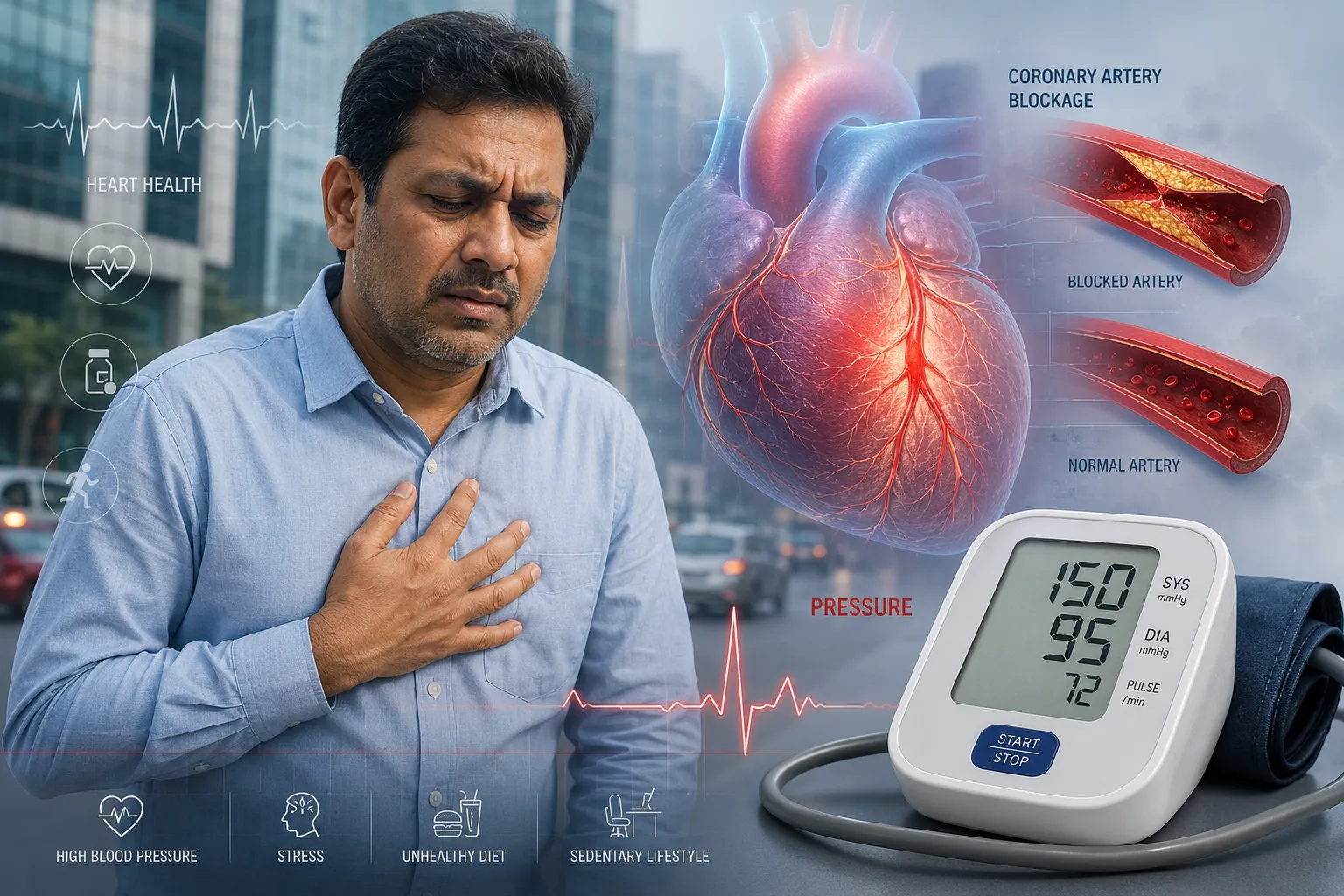
When blood pressure is chronically elevated, the heart must work harder to push blood through the arteries. Over time, this increased workload causes the left ventricle to thicken and stiffen, a condition called left ventricular hypertrophy (LVH). LVH is an independent risk factor for heart attack, arrhythmias, and heart failure. Simultaneously, the persistent high pressure damages the inner lining of arteries throughout the body, accelerating the buildup of plaque and dramatically increasing the risk of coronary artery disease.

How Hypertension Damages the Heart

  • Coronary Artery Disease
    Elevated pressure damages artery walls, making them more vulnerable to plaque deposition. Hypertension accelerates atherosclerosis and is present in over half of all heart attack patients.
  • Left Ventricular Hypertrophy (LVH)
    The heart muscle thickens in response to working against elevated pressure. Thickened muscle is stiffer, less efficient, and more prone to arrhythmias and sudden cardiac death.
  • Heart Failure
    Chronic pressure overload initially causes LVH and diastolic dysfunction. Over time, if untreated, the heart dilates and systolic function declines, resulting in heart failure.
  • Atrial Fibrillation
    Hypertension enlarges and scars the atria over time, creating the substrate for AFib. Hypertension is the most common underlying cause of AFib.
  • Aortic Disease
    High blood pressure strains the aorta, increasing the risk of aortic aneurysm (a dangerous bulge) and aortic dissection (a tear in the aortic wall), both potentially life-threatening.
  • Kidney Damage
    Hypertension damages the small blood vessels of the kidneys, impairing their ability to filter blood and regulate further blood pressure, creating a damaging cycle.

Types of Hypertension

  • Primary (Essential) Hypertension
    Accounts for 90 to 95% of all cases. No single identifiable cause. Results from the interaction of genetic predisposition with lifestyle factors including high salt intake, obesity, sedentary behavior, and stress.
  • Secondary Hypertension
    A specific, identifiable cause underlies the high blood pressure. Examples include kidney artery narrowing (renovascular hypertension), overactive adrenal glands (primary hyperaldosteronism, pheochromocytoma), thyroid disease, and obstructive sleep apnea. Secondary causes are important to identify because treating the underlying condition can normalize or significantly improve blood pressure.
  • Resistant Hypertension
    Blood pressure that remains above target despite three or more antihypertensive medications at optimal doses, including a diuretic. Requires specialist investigation to rule out secondary causes and assess medication adherence.
  • White Coat Hypertension
    Blood pressure that is elevated in a clinical setting but normal on home or ambulatory monitoring. Associated with lower cardiovascular risk than sustained hypertension but warrants regular monitoring.

Diagnosing the Cardiac Impact of Hypertension

Blood pressure measurement alone does not tell the full story. At Germanten, our cardiologists assess how existing hypertension has affected the heart and blood vessels, guiding treatment intensity and follow-up.

  • ECG:
    Detects signs of left ventricular hypertrophy and arrhythmias.
  • 2D Echocardiography:
    The most sensitive tool for detecting LVH, assessing diastolic and systolic function, and identifying valve disease caused or worsened by hypertension.
  • Ambulatory Blood Pressure Monitoring (ABPM):
    A 24-hour blood pressure recorder worn during normal daily activity and sleep. Provides far more information than single clinic readings, including nighttime blood pressure, which is particularly predictive of cardiovascular risk.
  • Kidney Function Tests:
    Serum creatinine, eGFR, and urine protein to assess kidney damage from chronic hypertension.
  • Fundoscopy:
    Examination of the blood vessels in the retina, which reflect similar changes to blood vessels throughout the body.
  • Blood Tests:
    Electrolytes, kidney function, fasting glucose, HbA1c, lipid profile, and thyroid function to identify secondary causes and coexisting metabolic risk factors.

Germanten's cardiac health packages include comprehensive hypertension screening with ECG and cardiologist review.

Treating Hypertension to Protect Your Heart

Lifestyle Modifications

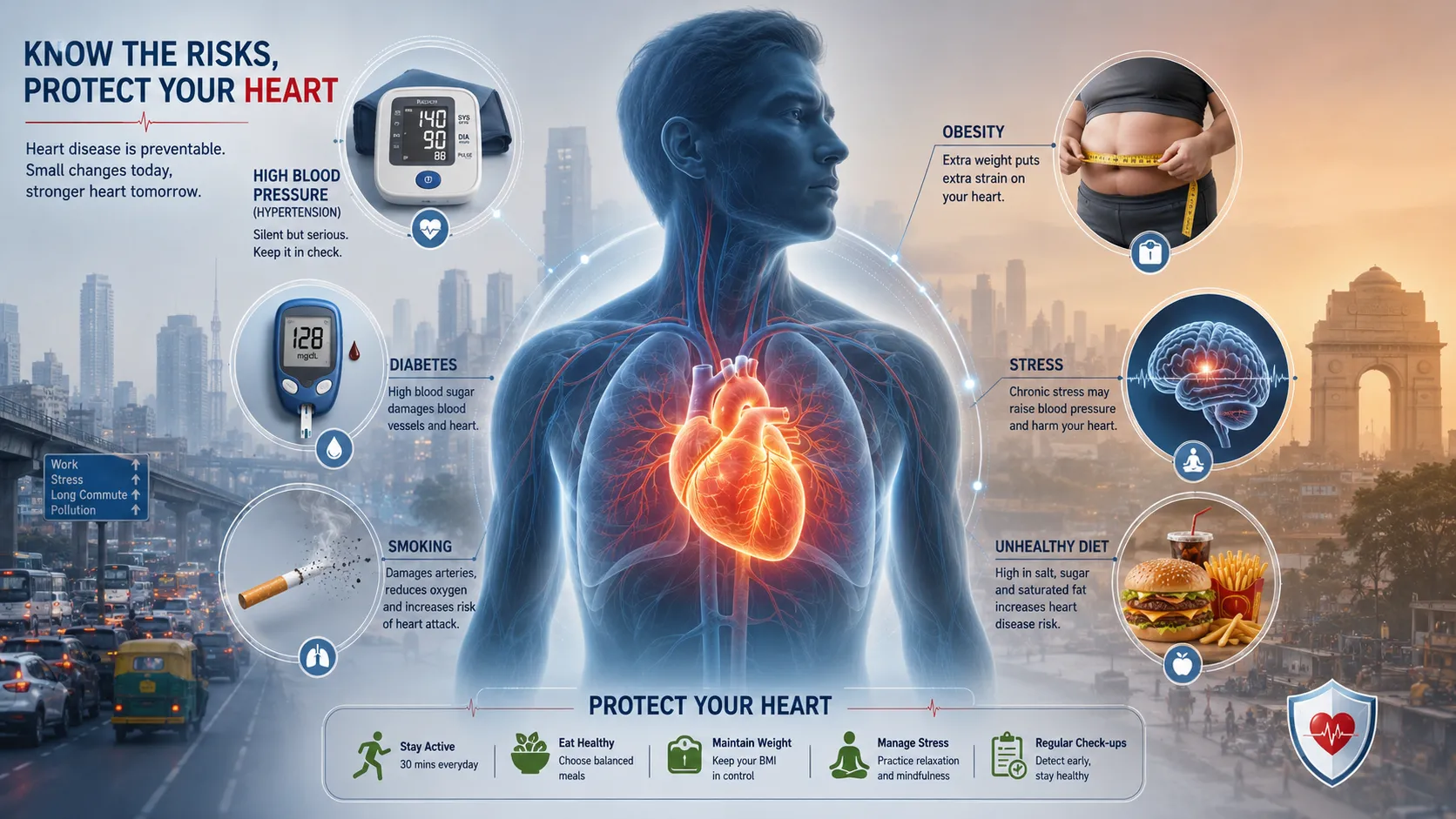
Lifestyle changes are the foundation of hypertension management and can lower blood pressure by 5 to 15 mmHg independently:

  • Reducing salt intake to below 5 grams per day (approximately one teaspoon)
  • Following a diet rich in fruits, vegetables, whole grains, and low-fat dairy (the DASH diet reduces systolic BP by 8 to 14 mmHg)
  • Regular moderate aerobic exercise, 150 minutes per week, which reduces BP by approximately 5 to 8 mmHg
  • Achieving and maintaining a healthy weight (each kilogram of weight loss reduces systolic BP by approximately 1 mmHg)
  • Reducing alcohol consumption and stopping smoking
  • Stress reduction through structured techniques, adequate sleep, and management of psychological contributors

Antihypertensive Medications

Most patients with hypertension require medication in addition to lifestyle changes. The major classes of antihypertensive drugs are:

  • ACE inhibitors and ARBs: First-line for patients with diabetes, kidney disease, or heart failure. Protect the kidneys and heart beyond their blood pressure-lowering effect.
  • Calcium channel blockers: Particularly effective in older patients and those of South Asian background. Available in short-acting (amlodipine) and long-acting forms.
  • Thiazide diuretics: Reduce fluid volume and lower blood pressure. Often used in combination.
  • Beta-blockers: Particularly useful in hypertension complicated by angina, prior heart attack, or heart failure.
  • Aldosterone antagonists (spironolactone): Used in resistant hypertension and when primary hyperaldosteronism is suspected.

Most patients with hypertension ultimately require two or more drugs to reach target blood pressure. Combination therapy is more effective and better tolerated than high doses of single agents.

Managing Hypertension-Related Heart Damage

When hypertension has already caused cardiac damage, treatment addresses both the elevated pressure and its consequences. Patients with LVH, coronary artery disease, heart failure, or atrial fibrillation receive treatment for each condition in a coordinated plan. Effective blood pressure control is the most powerful intervention to prevent further cardiac damage and, in some cases, allows partial regression of LVH.

Meet Our

Cardiology Doctors

Consult expert cardiologists in Hyderabad at Germanten Hospital


Testimonials

What Our Patients Are Saying

  • counter-img1
    26+
    Years of Experience
  • counter-img2
    20K+
    Successful Surgeries
  • counter-img3
    1M+
    Happy Patients
  • counter-img4
    40+
    Global Awards

Success Stories

Book With Us Now

Get an Appointment

Connect with our experts doctors for guidance


Cardiology Hospital Near You in Attapur, Hyderabad

Germanten Hospital is located in Attapur, one of South Hyderabad's most accessible neighborhoods. Patients from across southern and western Hyderabad can reach us within 20 to 30 minutes.

Full address: Germanten Hospital, Attapur, Hyderabad, Telangana 500048. View on Google Maps
Reaching Germanten Hospital from Major Localities:
  • - Mehdipatnam (approx. 8 minutes)
  • - Rajendra Nagar (approx. 10 minutes)
  • - Tolichowki (approx. 7 minutes)
  • - Banjara Hills (approx. 15 minutes)
  • - Jubilee Hills (approx. 18 minutes)
  • - Kondapur & Gachibowli (approx. 25 minutes via PVNR Expressway)
  • - Shamshabad & Airport Road (approx. 30 minutes)
GET ANSWERS

Frequently Asked Questions

You should see a cardiologist rather than a general physician if your blood pressure is consistently above 160/100 mmHg, if it is not controlled despite being on two or more medications, if you have symptoms such as chest pain, breathlessness, or palpitations alongside your blood pressure, if you have signs of hypertension-related organ damage (LVH, protein in urine, reduced kidney function), or if secondary hypertension is suspected. A cardiologist is also appropriate if you have coexisting coronary artery disease, heart failure, or AFib.
Primary hypertension cannot usually be cured but can be very well controlled. Most patients with well-managed hypertension using a combination of lifestyle measures and medication have blood pressure in the normal range and significantly reduced cardiovascular risk. Secondary hypertension caused by an identifiable condition (such as kidney artery narrowing or an adrenal tumor) can sometimes be cured by treating the underlying cause, at which point blood pressure may normalize without ongoing medication.
Yes. The absence of symptoms is precisely what makes hypertension dangerous. The damage to arteries, heart muscle, and kidneys accumulates silently over years. By the time symptoms appear, such as a heart attack, heart failure, or stroke, significant irreversible damage has usually occurred. This is why regular blood pressure checks and proactive management of even mildly elevated readings are so important.
For newly diagnosed or recently adjusted hypertension, twice-daily readings in the morning (before medication) and evening, for one week, provides a reliable baseline. Once controlled, weekly readings are usually sufficient. Our cardiology team will advise on the appropriate monitoring frequency and target readings for your specific situation. A calibrated upper-arm cuff monitor is more accurate than wrist devices.
Acute stress temporarily raises blood pressure through adrenaline release. Chronic psychological stress is associated with sustained hypertension over time, partly through direct hormonal effects and partly through stress-driven behaviors such as poor sleep, unhealthy eating, and reduced physical activity. Stress management is a legitimate and useful component of hypertension treatment, though it is rarely sufficient alone to normalize blood pressure in established hypertension.