Holter Monitor Test in Hyderabad | Germanten Hospital

Holter Monitor Test in Hyderabad


Expert Coronary Angioplasty & Stenting Services

Cardiology Treatments

Holter Monitor Test in Hyderabad | 24 to 48 Hour ECG

A Holter monitor is a small, portable ECG recording device worn continuously for 24 to 48 hours while the patient goes about their normal daily activities. Unlike a standard resting ECG, which records only 10 seconds of heart rhythm, a Holter monitor captures every single heartbeat over one to two full days, producing a recording of over 100,000 heartbeats for analysis.

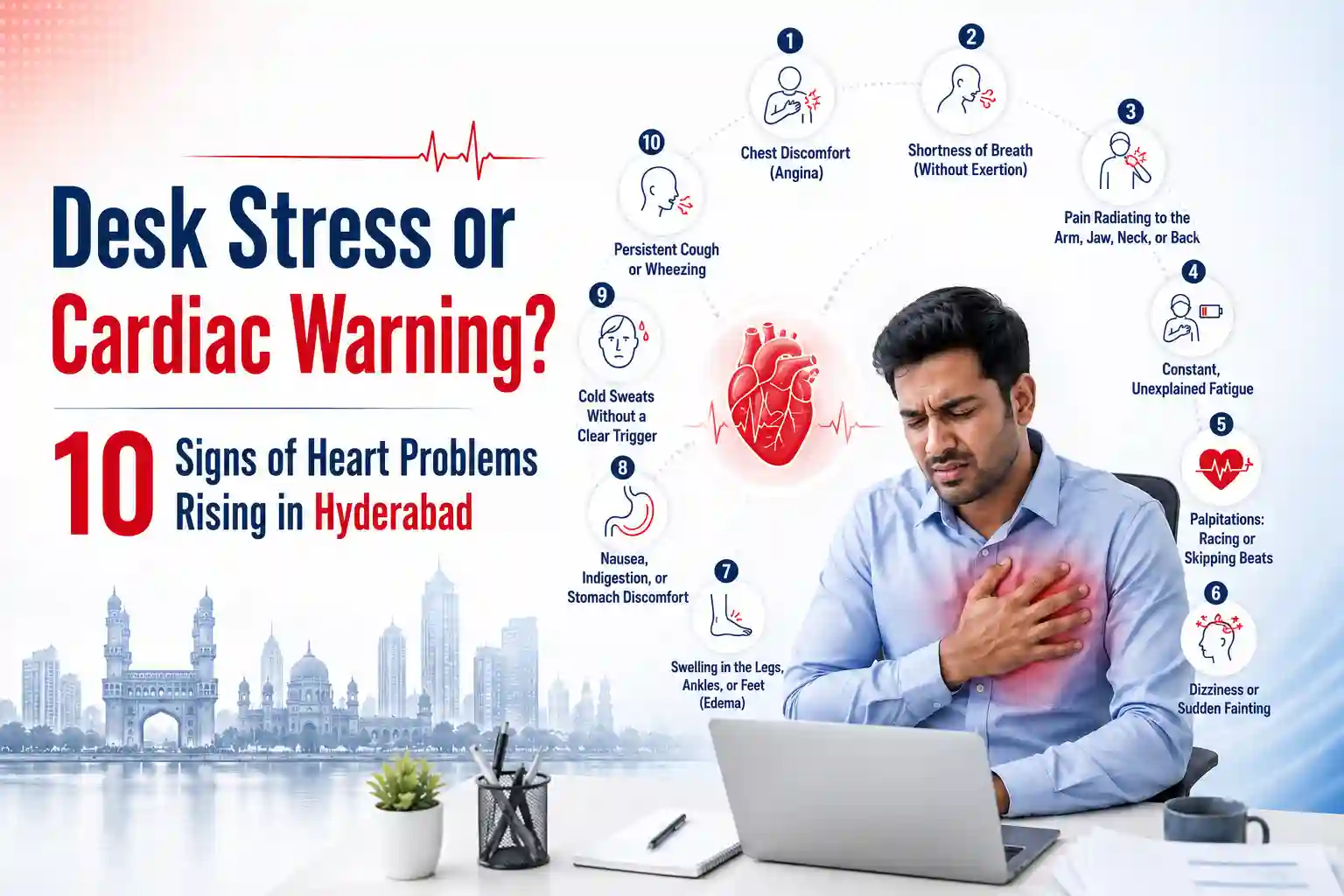
This extended recording is essential for detecting arrhythmias that occur intermittently and are missed on a brief resting ECG. Palpitations, dizziness, unexplained fainting, and breathlessness that come and go are among the most common indications. At Germanten Hospital, Holter monitors are fitted the same day, and recordings are analyzed by our cardiology team using automated arrhythmia detection software combined with expert manual review.

Why is a Holter Monitor Needed?

A resting ECG is invaluable but records only a 10-second snapshot of the heart's rhythm. Most arrhythmias are intermittent, occurring unpredictably over hours or days. If the arrhythmia is not present during the brief window of a standard ECG, it will not be captured.

The Holter monitor solves this problem by recording continuously throughout the monitoring period. Even if palpitations occur only once in 24 hours, they will be captured in the recording. The patient keeps a symptom diary noting the time and nature of any symptoms, which allows the cardiologist to correlate what the heart was doing electrically at the exact moment the patient felt unwell.

Indications for Holter Monitoring

Palpitations

The most common indication. Characterizing whether palpitations coincide with a genuine arrhythmia, distinguishing SVT from AFib from benign ectopic beats, and quantifying frequency.

Unexplained Syncope (Fainting)

Identifying arrhythmias such as complete heart block or ventricular tachycardia as the cause of unexplained blackouts. Negative Holter in the context of frequent symptoms increases the likelihood of a non-cardiac cause.

Dizziness and Lightheadedness

Correlating episodic dizziness with concurrent ECG rhythm to identify intermittent bradycardia, pauses, or tachyarrhythmias.

Atrial Fibrillation Management

Assessing ventricular rate control in known AFib patients. Detecting asymptomatic paroxysmal AFib in patients at risk of AF-related stroke. Post-cardioversion or post-ablation rhythm surveillance.

PVC Burden Quantification

Counting the total number and percentage of premature ventricular contractions over 24 hours. Frequent PVCs (more than 10,000 per day) can impair cardiac function and may require ablation treatment.

Post-Pacemaker Assessment

Confirming appropriate pacemaker sensing and pacing function in a real-world setting beyond the controlled environment of a device clinic.

Cryptogenic Stroke

Detecting paroxysmal AFib in stroke patients with no obvious cause identified at the time of the event. AFib-related strokes require anticoagulation, making its detection critically important.

Pre-Ablation Assessment

Quantifying arrhythmia burden and pattern before radiofrequency ablation planning.

What to Expect During Holter Monitoring

Device Fitting:

Our cardiac technician attaches 5 to 7 electrodes to specific positions on your chest. Leads connect the electrodes to the Holter recorder, a small device approximately the size of a mobile phone worn on a belt clip or in a small pouch. Fitting takes 10 to 15 minutes.

Symptom Diary:

You are given a diary card to note the time of any symptoms (palpitations, dizziness, breathlessness, chest pain) during the monitoring period. Precise symptom timing allows correlation with the ECG recording.

Normal Activities:

You carry on with your normal daily routine during monitoring, including work, meals, sleep, and light activity. The monitor is designed to record during all of these.

Bathing and Showering:

Most Holter monitors are not waterproof. Sponge baths are recommended during the monitoring period. Some newer devices are water-resistant for brief exposure. Our team will advise on the specific device fitted.

Exercise:

Continue your usual level of physical activity, as arrhythmias during exercise are clinically important to capture. Avoid contact sports or activities that could dislodge the electrodes.

Device Return:

After 24 to 48 hours, you return to Germanten to have the device removed. The recording is then analyzed by our cardiology team.

Reporting:

The Holter analysis report identifies and quantifies all rhythm events in the recording, correlates them with your symptom diary entries, and provides a complete rhythm summary. Results are discussed with you at your follow-up appointment.

If you experience symptoms during the monitoring period that are severe, such as chest pain, fainting, or severe breathlessness, do not wait for the Holter analysis. Seek emergency care immediately. The Holter recording will still capture what happened for subsequent review.

What Does Holter Analysis Report?

Minimum, Maximum, Mean Heart Rate

Heart rate range over the monitoring period and the times of lowest and highest rate.

Total Beat Count

Total heartbeats recorded and duration of monitoring.

Rhythm Classification

Percentage of time in sinus rhythm, atrial fibrillation, atrial flutter, paced rhythm, or other rhythms.

Supraventricular Ectopics

Number and percentage of premature atrial contractions (PACs), including couplets and runs.

Ventricular Ectopics

Total PVC count, percentage of total beats, number of couplets (pairs), triplets, and runs of non-sustained ventricular tachycardia.

Pauses

Any pauses longer than 2 seconds are identified. Pauses above 3 seconds are clinically significant and may warrant pacemaker assessment.

ST Analysis

Trends in ST segment levels over 24 hours, identifying periods of potential ischemia.

Symptom Correlation

The heart rhythm at each time the patient recorded a symptom in the diary is identified and described.

Holter Monitor vs Other Cardiac Monitoring Options

Resting ECG (10 seconds)

Captures rhythm only at the moment of recording. Misses all intermittent arrhythmias not present at that exact time.

Holter Monitor (24 to 48 hours)

Best for frequent symptoms occurring at least once in 24 to 48 hours. Most widely used ambulatory ECG method.

Event Monitor (30 days)

Patient-activated or auto-detect recording over 30 days. Best for infrequent symptoms occurring less than once per week.

Implantable Loop Recorder (ILR)

A small device implanted under the skin for up to 3 years. Used for very infrequent unexplained syncope or suspected paroxysmal AFib not captured on shorter monitoring. The most sensitive method for detecting rare events.

Meet Our

Cardiology Doctors

Consult expert cardiologists in Hyderabad at Germanten Hospital


Testimonials

What Our Patients Are Saying

  • counter-img1
    26+
    Years of Experience
  • counter-img2
    20K+
    Successful Surgeries
  • counter-img3
    1M+
    Happy Patients
  • counter-img4
    40+
    Global Awards

Success Stories

Book With Us Now

Get an Appointment

Connect with our experts doctors for guidance


Cardiology Hospital Near You in Attapur, Hyderabad

Germanten Hospital is located in Attapur, one of South Hyderabad's most accessible neighborhoods. Patients from across southern and western Hyderabad can reach us within 20 to 30 minutes.

Full address: Germanten Hospital, Attapur, Hyderabad, Telangana 500048. View on Google Maps
Reaching Germanten Hospital from Major Localities:
  • - Mehdipatnam (approx. 8 minutes)
  • - Rajendra Nagar (approx. 10 minutes)
  • - Tolichowki (approx. 7 minutes)
  • - Banjara Hills (approx. 15 minutes)
  • - Jubilee Hills (approx. 18 minutes)
  • - Kondapur & Gachibowli (approx. 25 minutes via PVNR Expressway)
  • - Shamshabad & Airport Road (approx. 30 minutes)
GET ANSWERS

Frequently Asked Questions

Most standard Holter monitors are not waterproof and should not be submerged or exposed to significant water during the monitoring period. Sponge baths are recommended. Some newer devices are water-resistant for brief, incidental exposure such as light rain. Our team will clarify the specifications of the device fitted to you and provide specific care instructions.
If symptoms do not occur during the monitoring period, the Holter recording will not capture the associated rhythm. This is a limitation of short-duration monitoring. If your symptoms are infrequent, a 30-day event monitor or an implantable loop recorder (ILR) is a more appropriate option. Our cardiologist will discuss the best monitoring strategy based on the frequency and severity of your symptoms.
Yes. Holter monitoring is entirely non-invasive. The device records electrical signals from your heart but delivers no electricity to your body. The electrodes and recorder cause no side effects. The main practical issue for some patients is mild skin irritation from the adhesive electrodes, particularly over 48 hours of continuous wear.
At Germanten Hospital, the recording is analyzed after device return and the full report is typically available within 24 to 48 hours. Urgent cases with significant arrhythmias identified on preliminary review are communicated sooner. The complete report with rhythm analysis, event log, and clinical summary is discussed with you at your follow-up cardiology appointment.
Yes. For patients whose symptoms occur less frequently than once per day, we offer extended event monitoring beyond the standard Holter duration. Please discuss the most appropriate monitoring duration for your symptoms with our cardiologist at the time of consultation. In selected patients with very infrequent unexplained syncope, implantable loop recorder (ILR) implantation may be recommended.