10 Massages and Stretches for a Frozen Shoulder
June 15, 2023
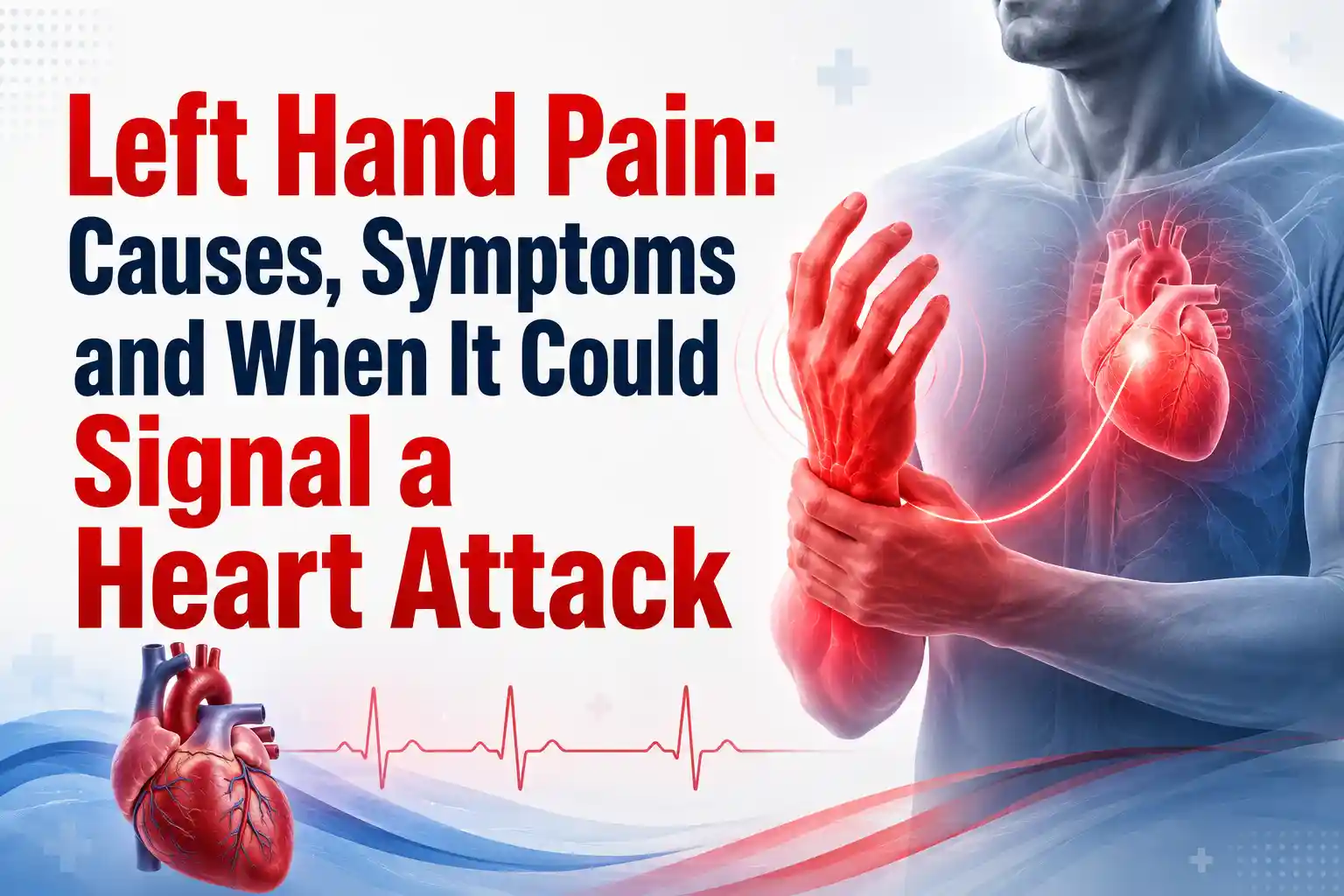
A dull ache running down your left hand can mean a dozen different things, and only one of them is a heart attack. Left hand pain is one of the most searched health symptoms online, largely because people have heard that pain in the left arm can be an early warning sign of heart trouble. That concern is not misplaced, but in most cases left hand pain traces back to something far less dangerous, such as a strained muscle, a pinched nerve, or an overused joint. This guide breaks down the real causes of left hand pain, explains what heart-related pain actually feels like, and tells you when it is time to stop searching online and get checked by a doctor.
To understand the left hand pain reason so many people link to the heart, it helps to look at how pain signals travel through the body. The heart and the left arm share overlapping nerve pathways that meet in the spinal cord, mainly around the T1 to T4 segments and the brachial plexus. When the heart muscle is short on oxygen, these shared pathways can make the brain misread the signal as coming from the arm, shoulder or hand instead of the chest. This is called referred pain, and it is the same reason a heart attack can sometimes feel like jaw or back pain rather than classic chest pain. It does not mean the arm is damaged. It means the nerves are sharing a wire.
No, and this is worth repeating because many people assume the worst the moment their hand starts to ache. Left hand pain related to heart problems is actually one of the less common explanations. Most people asking why left hand pain is happening to them are dealing with a musculoskeletal or nerve issue, such as a strained muscle, a compressed nerve, or joint wear. The difference usually comes down to how the pain behaves: cardiac pain tends to feel like pressure or heaviness and shows up with other symptoms, while musculoskeletal pain tends to be sharper, tied to movement, or limited to one spot.
When left hand pain is connected to the heart, it rarely shows up alone or feels sharp. According to the American Heart Association, discomfort in one or both arms is a recognised heart attack warning sign, usually alongside chest discomfort, shortness of breath, cold sweats or nausea. Heart-related left hand or arm pain typically:
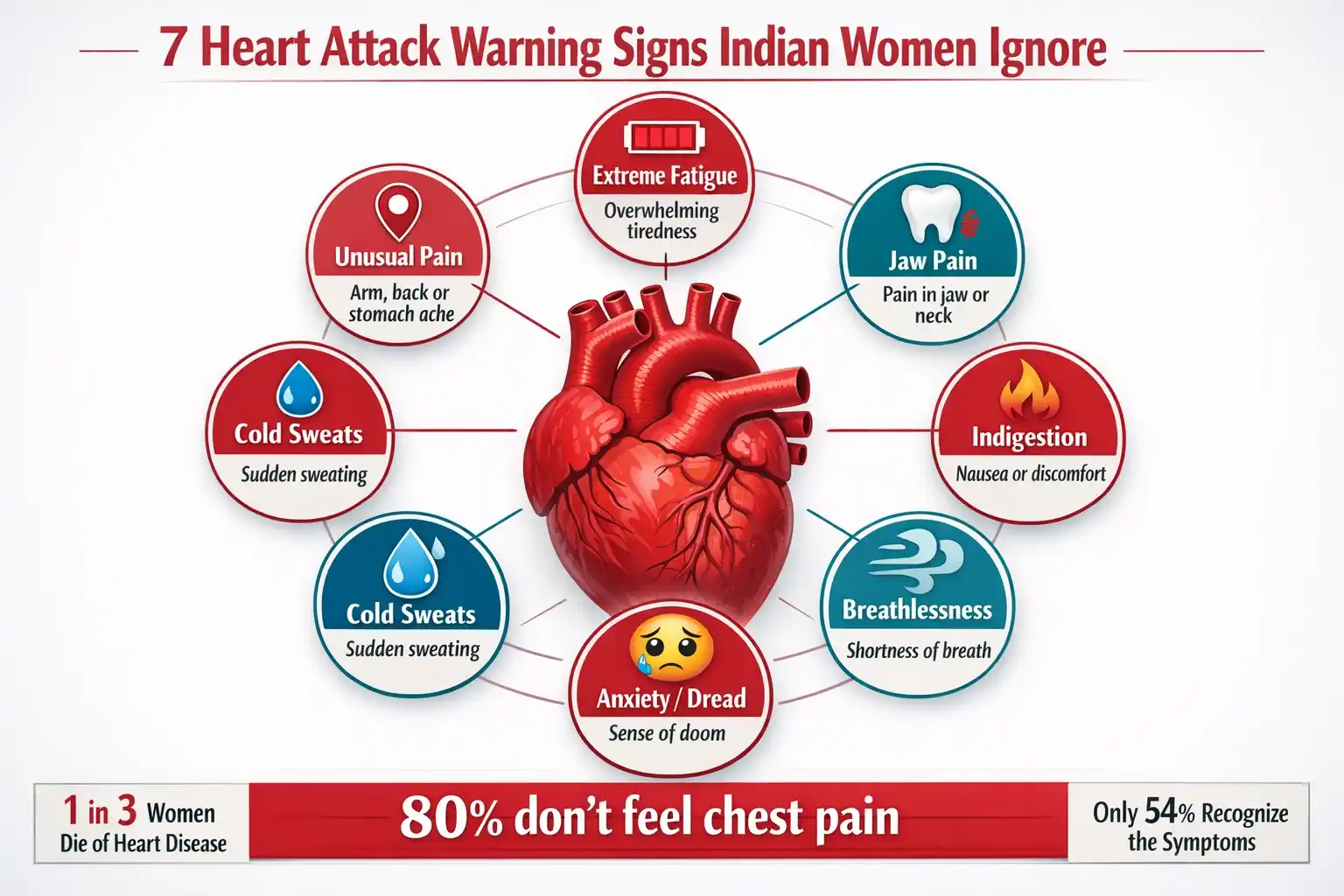
Pain in the left arm and shoulder in female patients often looks different from the textbook version. Women are more likely to have subtler signs, including discomfort in either arm, upper back or jaw pain, unusual fatigue, nausea, or breathlessness without obvious chest pressure. These symptoms are easy to mistake for stress or strain, so women often wait longer to seek help. If left arm pain appears alongside fatigue, nausea or breathlessness, it deserves the same urgency as chest pain.
Most left hand pain has nothing to do with the heart.
Repetitive use of the hand and arm, from gym workouts to gardening or typing, is one of the most common causes of hand muscle pain. It usually worsens with activity, improves with rest, and comes with soreness or stiffness rather than numbness.
A compressed nerve in the neck, often from a bulging disc, arthritis or poor posture, can send pain radiating from the shoulder down to the fingers. This is a common answer to why the left hand is paining from the shoulder, and it often comes with tingling or weakness that follows a specific pattern down the arm. OrthoInfo, the patient resource of the American Academy of Orthopaedic Surgeons, covers this pattern in detail.
Pain, tingling or numbness in the little and ring fingers usually points to the ulnar nerve, which can get compressed at the elbow or wrist. Symptoms often worsen after resting the elbow on a hard surface or bending it for long periods, such as while sleeping.
Pain, tingling or burning in the palm, thumb and first two fingers points toward the wrist rather than the neck or heart. Left wrist pain from carpal tunnel syndrome tends to flare at night and with repetitive hand movements like typing.
Osteoarthritis or rheumatoid arthritis in the hand, wrist or shoulder can cause a deep, aching left hand joint pain that is stiffest in the morning and eases with gentle movement through the day.
A fall, sprain or awkward lift can cause sudden pain in the left hand or arm that is easy to link to the triggering event, alongside swelling, bruising or limited movement.
Less commonly, heaviness in the left hand or aching along a vein comes from poor circulation or, rarely, a blood clot. Sudden swelling with pain and skin discolouration needs prompt evaluation.
Severe gas or acid reflux can cause chest discomfort that feels alarmingly similar to a cardiac event, but it rarely radiates down into the hand the way heart-related pain does. If you are unsure whether discomfort is digestive or cardiac, treat it as urgent.
Most left hand pain can wait for a routine appointment. Some cannot. Treat these as red flags and seek emergency care right away:
If any of these apply, call emergency services rather than driving yourself in. Every minute matters when the heart muscle is not getting enough blood.
A doctor typically starts by asking how the pain behaves: whether it is triggered by movement or rest, whether it follows a specific nerve pattern, and what other symptoms come with it. If a cardiac cause is suspected, the workup usually includes an ECG, a blood test for cardiac enzymes such as troponin, and sometimes an echocardiogram or stress test as part of a full cardiology evaluation. If the pattern points toward a nerve or joint problem, an X-ray or MRI of the neck or wrist, along with a nerve conduction study, can pinpoint where the compression is happening.
Treatment depends entirely on the cause. If a cardiac cause is confirmed, it can range from medication that restores blood flow to procedures such as coronary angioplasty, often followed by a structured cardiac rehabilitation programme.
For non-cardiac left hand pain, relief usually starts with resting the arm, a warm or cold compress, gentle stretching, better desk posture and over-the-counter pain relief for short flare-ups. Guided exercise and physiotherapy work well for nerve compression and muscle strain once a doctor has confirmed the diagnosis. If the pain is new, severe, or persists beyond a week or two, get it evaluated rather than managing it at home indefinitely.
Left hand pain sits at an uncomfortable intersection: common enough that most cases are harmless, but serious enough in a small number of cases that it cannot be ignored. Pay attention to the pattern. Pain that is sharp, tied to movement and limited to one spot is usually musculoskeletal. Pain that feels like pressure, spreads from the chest and comes with breathlessness, sweating or nausea needs urgent attention. If you are ever unsure which one you are dealing with, treat it as the more serious possibility and get evaluated.
If you have left hand or arm pain along with chest discomfort, breathlessness or any other warning sign, do not wait. Call emergency services immediately, or reach the cardiac emergency line at Germanten Hospitals, Hyderabad, at +91 9989635555. For non-emergency concerns,book a consultation with our cardiology team to get a proper diagnosis and a treatment plan built around your specific symptoms.
No. Most left hand pain comes from muscle strain, a pinched nerve or joint issues. Heart-related pain usually comes with chest pressure, breathlessness, sweating or nausea, not on its own.
Pressure, heaviness or a dull squeezing sensation rather than a sharp, localised pain, often spreading from the chest into the shoulder and arm.
Sudden, unexplained pain can come from a pinched neck nerve, overuse, an awkward sleeping position or, rarely, a cardiac issue. If it is new and severe, get it evaluated rather than waiting it out.
Severe gas or acid reflux can cause alarming chest discomfort, but it rarely radiates down into the hand the way cardiac pain does. When in doubt, treat it as urgent.
Women are more likely to have subtler heart attack symptoms, such as pain in either arm, upper back or jaw discomfort, nausea or unusual fatigue, rather than classic chest pressure.
Nerve pain often follows a specific path, such as tingling into the ring and little finger, and shifts with neck or elbow position. Heart-related pain is broader, unaffected by position, and comes with breathlessness or sweating.
See a doctor if the pain is new, severe, does not improve within a week or two, keeps returning, or comes with numbness, weakness, swelling or any heart attack warning signs.
This article is for general information only and is not a substitute for professional medical advice, diagnosis or treatment. If you suspect a heart attack, call emergency services immediately.