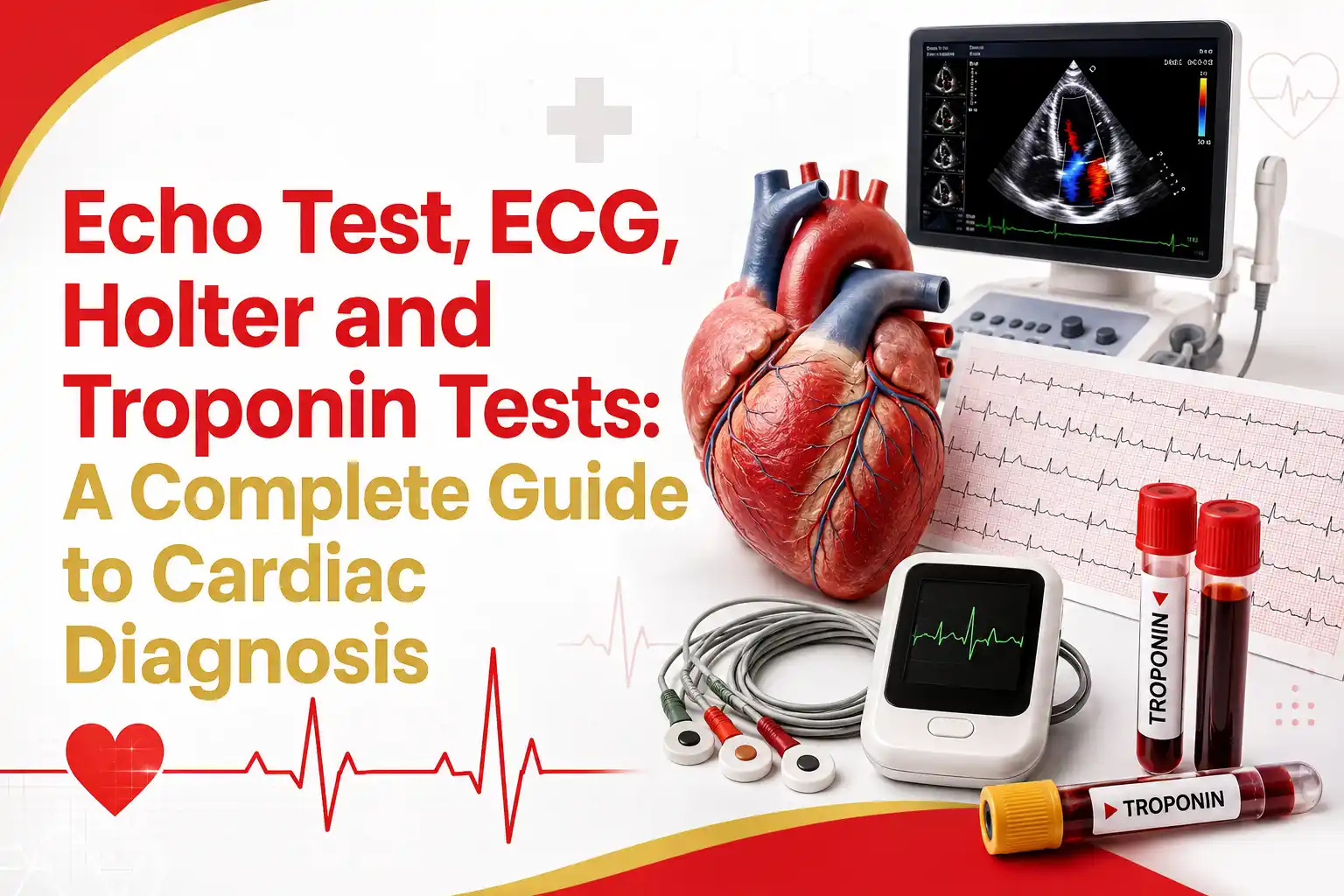
Echo Test, ECG, Holter & Troponin Test: A Complete Guide to Cardiac Diagnosis
Aug 18, 2026
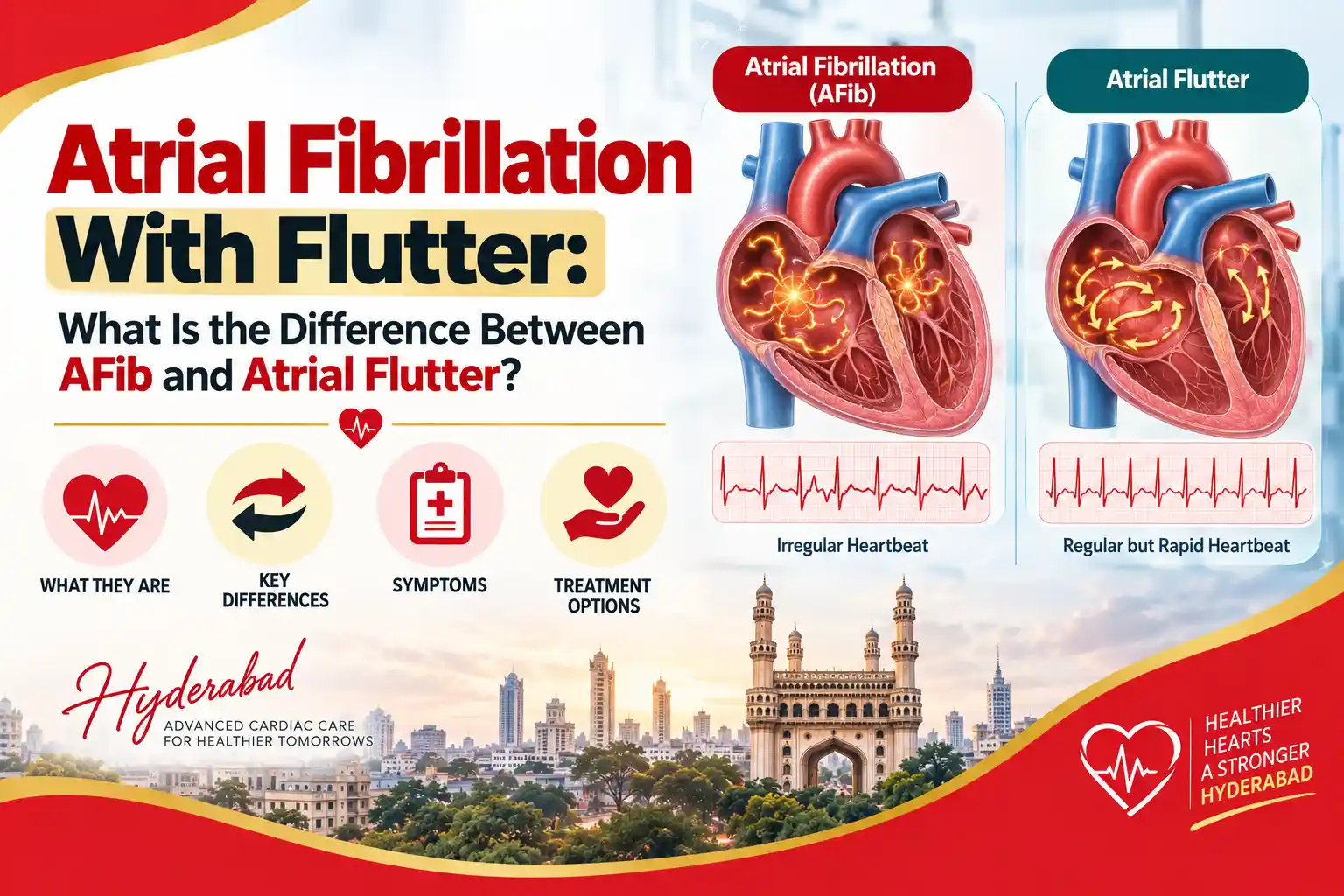
Atrial fibrillation with flutter is a term used when a person has, or has experienced, both atrial fibrillation (AFib) and atrial flutter. These are common heart rhythm disorders that begin in the upper chambers of the heart, called the atria. Both conditions can cause a racing heartbeat, palpitations, tiredness, breathlessness or dizziness. They may also increase the risk of blood clots and stroke if left untreated. Although AFib and atrial flutter are related, they are not exactly the same. An ECG is needed to identify the rhythm accurately and guide treatment. If you have persistent palpitations, unexplained fatigue, dizziness or a fast heartbeat, a timely heart-rhythm assessment is important.
Atrial fibrillation, commonly called AFib, is an irregular heart rhythm in which the atria beat in a disorganised and rapid way. Instead of contracting in a steady pattern, the upper chambers quiver. This can make the heartbeat feel irregular, fast, fluttering or like it is “skipping” beats. Some people notice symptoms clearly, while others may have AFib without realising it. AFib can occur in episodes that come and go, remain for longer periods, or become a continuing rhythm problem. It is important because the irregular movement of blood in the atria can increase the chance of clot formation. A clot can travel to the brain and cause a stroke.
Atrial flutter is another abnormal rhythm that starts in the atria. In atrial flutter, the electrical activity is generally more organised than in AFib, but it is still abnormally fast. The atria may beat very rapidly, while the lower chambers of the heart do not always follow every beat. As a result, the pulse may feel fast, regular, irregular or variable depending on how the electrical signals travel through the heart. A person may develop atrial flutter alone, AFib alone, or both at different times. This is why doctors may use the phrase “atrial fibrillation with flutter.”
| Feature | Atrial Fibrillation | Atrial Flutter |
|---|---|---|
| Electrical rhythm | Chaotic and disorganised | Fast but comparatively organised |
| Heartbeat pattern | Often irregular | May be regular or irregular |
| Pulse | Commonly irregular and sometimes fast | Can be fast and steady or variable |
| Symptoms | Palpitations, tiredness, breathlessness, dizziness | Similar symptoms, though some people have none |
| Stroke risk | Can increase the risk of clot-related stroke | Can also increase stroke risk |
| Diagnosis | ECG and, when needed, extended rhythm monitoring | ECG and, when needed, extended rhythm monitoring |
| Treatment | Depends on symptoms, rhythm pattern and stroke risk | Often similar, but the treatment plan may differ |
It is not possible to confirm AFib or atrial flutter simply by checking your pulse at home. A clinician must interpret an ECG and consider your symptoms, medical history and heart-health risks.
AFib and atrial flutter can affect the same person because both involve abnormal electrical activity in the atria. Some people may switch between the two rhythms, while others may experience one rhythm after treatment for the other. Common risk factors include:
Stress, poor sleep, dehydration, stimulants and illness may trigger symptoms in some people who are already prone to an arrhythmia. However, frequent palpitations should not automatically be blamed on stress without medical assessment.
Symptoms can differ widely from one person to another. Some people feel every episode, while others are diagnosed during a routine health check or ECG. Possible symptoms include:
No. A fast heart rate can happen because of fever, anxiety, dehydration, exercise, thyroid conditions, anaemia and many other reasons. Similarly, AFib may occur without a very fast pulse. A smartwatch or fitness tracker can sometimes identify an irregular rhythm alert, but it cannot replace a medical diagnosis. If you receive repeated alerts or experience symptoms, arrange an ECG-based assessment.
An ECG records the electrical activity of the heart. It is one of the most important tests for confirming whether a person has AFib, atrial flutter or another rhythm problem. In simple terms:
A brief ECG may not capture intermittent episodes. In that situation, a doctor may recommend a Holter monitor, event monitor or other extended rhythm monitoring. For recurring palpitations or suspected rhythm problems, patients can explore arrhythmia and AFib assessment in Hyderabad. A Holter monitoring test may help record heart rhythms that come and go during daily life.
Your doctor may suggest tests based on your symptoms and health history, including:
The aim is not only to identify the rhythm but also to find underlying causes and assess the risk of complications.
Atrial fibrillation and atrial flutter can occur alongside heart failure, but having AFib does not automatically mean that a person has heart failure. When the heart rhythm remains too fast or poorly controlled, it can make the heart work harder. In some people, this may worsen breathlessness, swelling, fatigue or reduced pumping ability. Likewise, existing heart failure can increase the likelihood of developing AFib. Seek medical advice promptly if palpitations occur with increasing breathlessness, swelling in the legs, sudden weight gain, trouble lying flat or reduced ability to carry out normal activities.
“Atrial fibrillation with aberrancy” is an ECG description that may be used when AFib is present and electrical signals travel through the lower chambers in an unusual pattern. This can create wider-looking beats on the ECG. It is not a diagnosis that should be self-interpreted from a report or wearable device. A wide-complex rhythm can have several causes, and accurate interpretation is important to rule out more serious rhythm conditions. If an ECG report mentions aberrancy, discuss it with a cardiologist rather than assuming it is harmless.
Treatment is personalised. It depends on the type of rhythm, symptom severity, how long the episode has lasted, the presence of heart disease and a person’s stroke risk.
Medicines may be prescribed to slow a fast heart rate and reduce symptoms. The best option differs from person to person, especially when other conditions such as low blood pressure, asthma or heart failure are present.
For selected patients, treatment may focus on restoring a normal rhythm. This can involve:
A radiofrequency ablation consultation may be considered when a cardiologist believes an ablation procedure could be suitable for the rhythm problem.
Some people with AFib or atrial flutter may need anticoagulant medication to lower stroke risk. This decision is based on an individual clinical risk assessment. Do not start, stop or change blood-thinning medication without medical advice. Even when symptoms improve, the underlying stroke-risk assessment may still matter.
Lifestyle and medical care can support rhythm management. Your cardiologist may advise you to:
There is no single answer to atrial fibrillation life expectancy. It depends on factors such as age, blood pressure, diabetes, heart function, kidney health, stroke history, treatment adherence and whether the rhythm is properly managed. Many people with AFib live active lives with regular monitoring and appropriate treatment. The most important step is not to ignore symptoms or discontinue treatment without guidance. Timely diagnosis can help reduce the risk of stroke, heart failure and other complications.
Call emergency services or go to the nearest emergency department immediately if palpitations or an irregular heartbeat occur with:
Do not drive yourself if you have severe symptoms. Stroke and heart-related emergencies require urgent care.
Atrial fibrillation with flutter means that a person has experienced two related abnormal heart rhythms affecting the upper chambers of the heart. While symptoms may be mild or intermittent, these conditions should not be ignored because they can affect heart function and increase stroke risk. An ECG, appropriate monitoring and a personalised treatment plan can help identify the rhythm and manage it safely. For persistent palpitations, breathlessness, dizziness or an irregular pulse, consider consulting the Cardiology Department at Germanten Hospitals, recognised for providing specialised cardiac care as a leading cardiology hospital in Hyderabad.
A person can experience both AFib and atrial flutter at different times. They are related rhythm disorders, but one does not always directly “turn into” the other.
Both conditions need medical evaluation because either can cause symptoms and increase the risk of complications such as stroke. The individual risk depends on overall health, heart condition and treatment.
Some people achieve long periods of normal rhythm with treatment. Others need long-term management. The right approach may include medicines, lifestyle changes, cardioversion or ablation, depending on the case.
Anxiety can make a person more aware of their heartbeat and may trigger palpitations. However, repeated irregular or fast heartbeats should be assessed rather than assumed to be anxiety.
Avoiding excess alcohol, smoking, dehydration, stimulant overuse and missed medicines may help. Your doctor may also recommend managing blood pressure, sleep apnoea, weight and thyroid health.
Many people can exercise safely, but the type and intensity should be discussed with a cardiologist, especially if symptoms occur during activity or you have heart failure, chest pain or uncontrolled heart rate.