Echo Test, ECG, Holter & Troponin Test: A Complete Guide to Cardiac Diagnosis
Aug 18, 2026
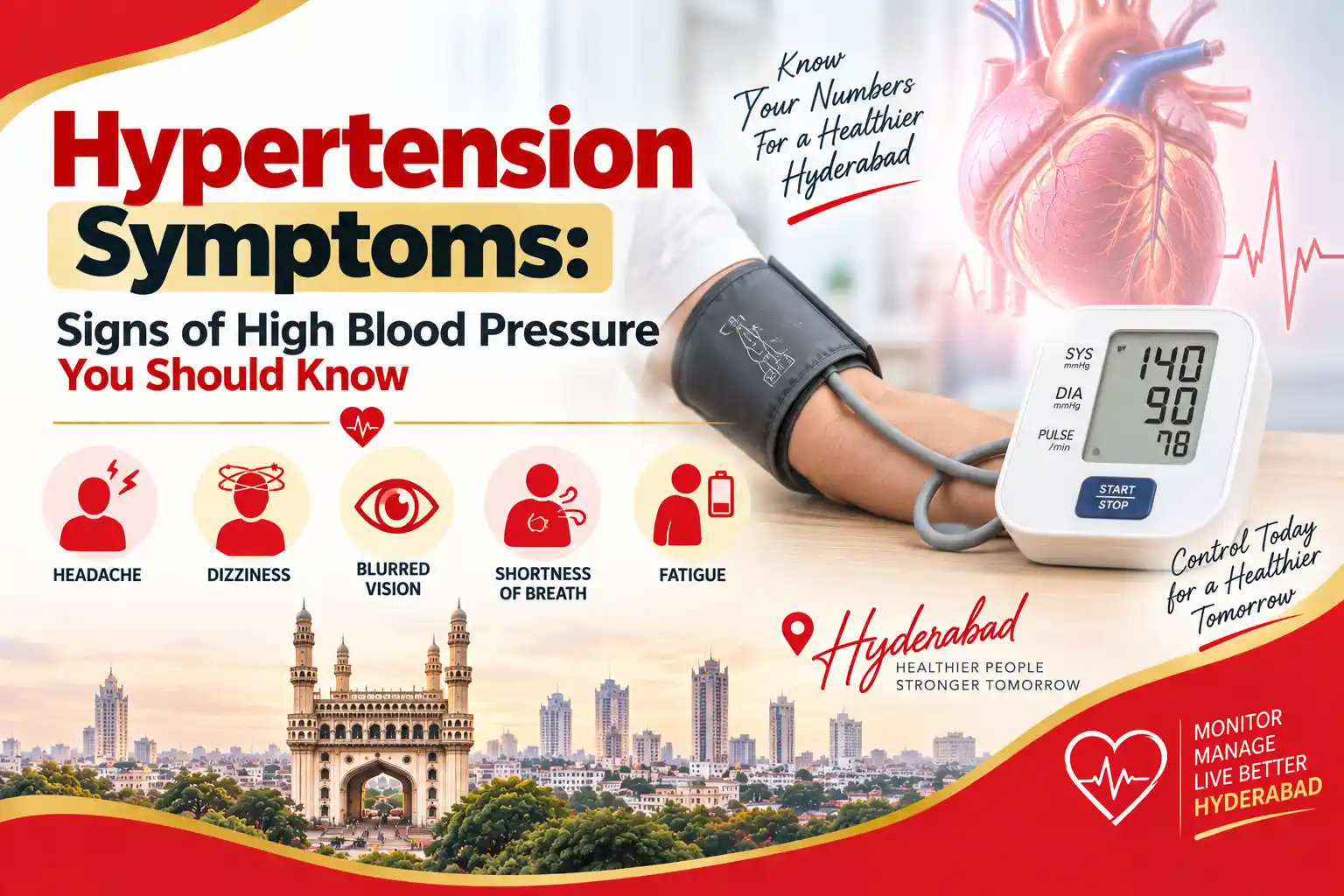
Hypertension symptoms are often difficult to notice because high blood pressure usually does not cause obvious warning signs. Many people feel completely well while their blood pressure is high, which is why hypertension is often called a “silent” condition. However, untreated high blood pressure can gradually damage the heart, blood vessels, brain, kidneys and eyes. It can raise the risk of heart attack, stroke, heart failure and kidney disease. Regular blood pressure checks are the only reliable way to know whether your blood pressure is high. This guide explains the hypertension definition, symptoms, causes, foods to avoid, diagnosis, treatment and when to seek urgent medical help.
Hypertension is the medical term for high blood pressure. Blood pressure is the force of blood pushing against the walls of your arteries as the heart pumps. A blood pressure reading has two numbers:
For example, in a reading of 130/80 mm Hg, 130 is the systolic pressure and 80 is the diastolic pressure. Blood pressure can temporarily rise after exercise, stress, caffeine, pain or poor sleep. A diagnosis of hypertension should be based on correctly measured readings over time, sometimes including home or 24-hour monitoring. Your clinician will interpret the readings in the context of your age, medical history and overall heart-risk profile.
Most people with hypertension have no symptoms. This is why relying on how you feel can delay diagnosis. In some cases, especially when blood pressure is very high, a person may experience:
These symptoms do not confirm hypertension because they can occur for many other reasons. The only way to know your blood pressure is to measure it. If you have repeated symptoms, a family history of hypertension, diabetes, kidney disease, obesity or a previous heart problem, arrange a blood-pressure and cardiac-risk assessment.
A very high blood pressure reading can be serious, particularly when it occurs with symptoms of possible organ damage. If your reading is higher than 180/120 mm Hg, sit quietly and repeat the measurement after at least one minute. Seek emergency medical care immediately if the reading remains very high and you have:
Do not drive yourself to the hospital. Call emergency services or have someone take you to the nearest emergency department. Do not take an extra dose of prescribed medicine unless a doctor has specifically advised you to do so.
For many people, there is no single identifiable cause of hypertension. This is called primary hypertension. It often develops gradually due to a combination of lifestyle, age, family history and health factors.
Sometimes hypertension is caused by another medical condition or medicine. This is known as secondary hypertension. Possible causes include:
A doctor may investigate secondary causes when blood pressure is very high, begins at a young age, becomes difficult to control or changes suddenly.
Untreated hypertension makes the heart work harder and can injure blood vessels throughout the body. Over time, it may contribute to:
High blood pressure often causes this damage slowly and silently. That is why consistent monitoring and treatment matter even when you feel normal.
A doctor or trained healthcare professional will measure your blood pressure using an appropriate cuff size and technique. One high reading does not always mean you have hypertension. Your clinician may recommend:
For patients with risk factors or ongoing high readings, a heart health check-up in Hyderabad can help assess blood pressure alongside other cardiovascular risks.
Yes. Hypertension can often be controlled with a combination of lifestyle changes and medicines when needed. The treatment plan depends on your blood pressure readings, age, kidney function, diabetes status, pregnancy status, heart disease risk and other health conditions.
Your clinician may recommend:
Lifestyle changes are valuable, but they should not replace prescribed blood-pressure medicine without medical advice.
Doctors may prescribe one or more medicines to help lower blood pressure and protect the heart, kidneys and brain. The medicine selected depends on the individual. Do not stop medication when your readings improve unless your doctor advises it. Controlled blood pressure may be a sign that the treatment is working. For persistent or difficult-to-control blood pressure, consult the best cardiac hospital in Hyderabad, Germanten Hospitals, for an individual assessment.
No single food causes hypertension, but a diet high in salt, processed foods and excess calories can make blood pressure harder to control. Foods and drinks to limit include:
Instead of making extreme food restrictions, focus on a realistic eating pattern with fresh home-cooked meals, vegetables, fruits, dal, beans, whole grains, nuts in suitable portions and lean protein choices. If you have kidney disease, heart failure or diabetes, ask your doctor or dietitian for personalized food guidance.
Stress can temporarily raise blood pressure. Long-term stress may also contribute indirectly through poor sleep, unhealthy eating, tobacco use, alcohol use or reduced activity. However, stress is not the only cause of hypertension. Do not assume your high blood pressure is “just stress” without having it checked properly.
Long-standing uncontrolled hypertension can cause the heart muscle to become thicker and stiffer. Over time, this may affect how well the heart fills and pumps, increasing the risk of heart failure.
People with high blood pressure who develop increasing breathlessness, leg swelling, unexplained fatigue or difficulty lying flat should seek prompt medical advice. At Germanten Hospitals, patients seeking heart failure treatment and care in Hyderabad can receive a detailed cardiac evaluation and an individualised treatment plan based on their symptoms and underlying condition.
The right monitoring schedule depends on your health status. A doctor may advise regular checks if you:
When monitoring at home, use a validated upper-arm blood pressure device where possible. Sit quietly for a few minutes before measuring, keep your feet flat on the floor and avoid talking during the reading. Record readings with the date and time to share with your clinician.
Hypertension usually does not cause symptoms, but it can quietly damage the heart, brain, kidneys and blood vessels over time. Regular blood pressure checks, healthy daily habits and prescribed treatment can significantly lower the risk of serious complications. If you have repeated high readings, a family history of hypertension, chest discomfort, breathlessness or other cardiovascular risks, arrange a consultation with a cardiologist.
Most people have no symptoms. Rarely, very high blood pressure may be associated with headaches, blurred vision, chest pain or breathlessness. A blood pressure check is the only reliable way to know.
Hypertension can often be well controlled with lifestyle changes and medicines. Some people may reduce their need for medicines after addressing underlying risk factors, but medication changes should only be made by a doctor.
Limit high-salt and heavily processed foods such as pickles, papads, packet snacks, instant foods, processed meats, restaurant foods and salty sauces. Excess alcohol should also be avoided.
Dizziness can happen for many reasons and does not always mean blood pressure is high. It may also occur with dehydration, low blood pressure, inner-ear problems, medicines or heart-rhythm issues. Persistent or severe dizziness needs medical assessment.
A reading higher than 180/120 mm Hg can be dangerous. Repeat the reading after at least one minute. If it remains high and you have chest pain, breathlessness, weakness, numbness, vision changes or trouble speaking, seek emergency care immediately.
Regular physical activity can help lower blood pressure and improve heart health. The safest exercise plan depends on your current blood pressure, symptoms and medical conditions.