Echo Test, ECG, Holter & Troponin Test: A Complete Guide to Cardiac Diagnosis
Aug 18, 2026
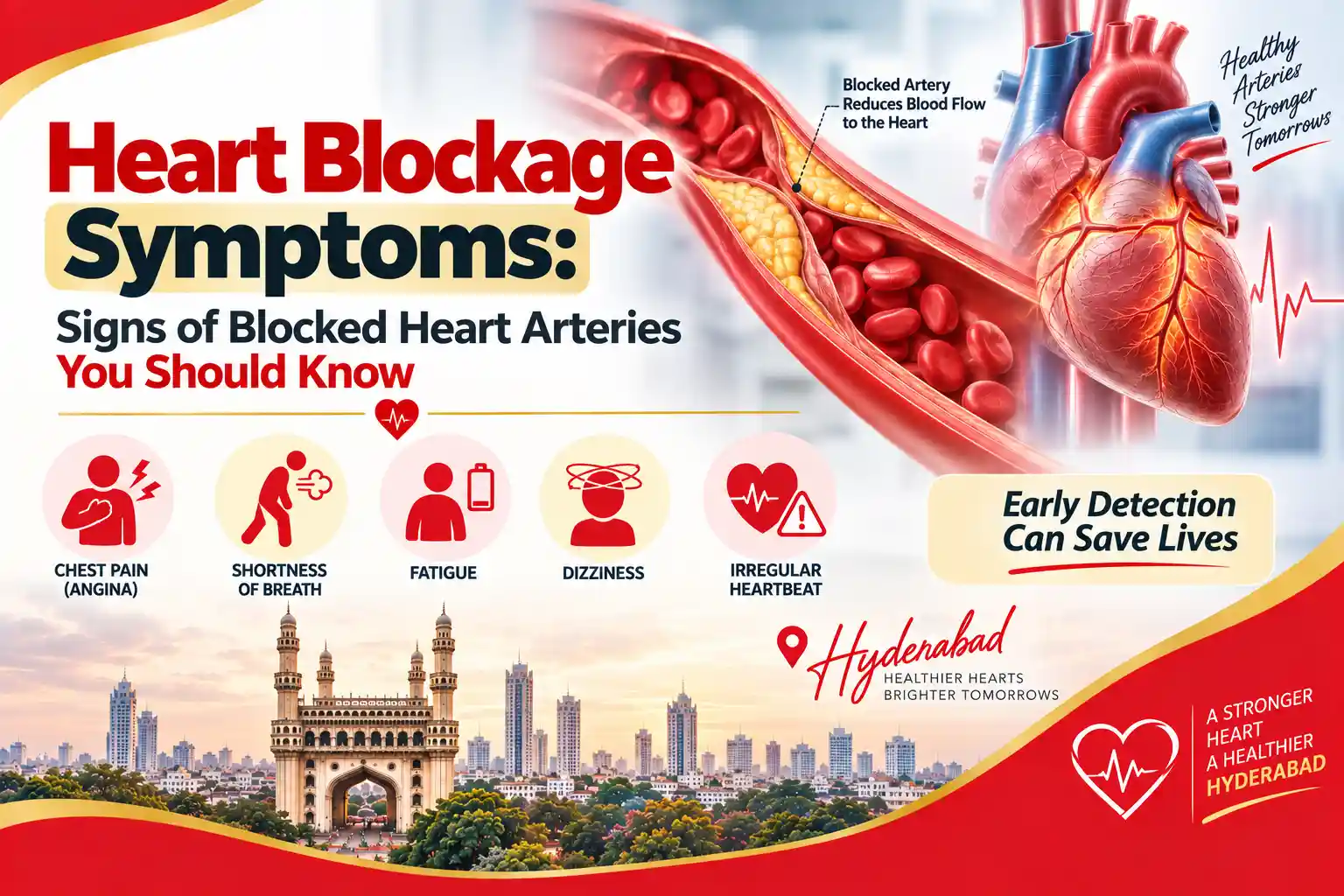
Heart blockage symptoms can develop when the coronary arteries of the blood vessels that supply oxygen-rich blood to the heart muscle become narrowed or blocked. This condition is commonly called coronary artery disease (CAD). A partial blockage may cause chest pressure or breathlessness during activity. A sudden complete blockage can cause a heart attack and needs immediate treatment. However, some people have few or no symptoms until the condition becomes serious. Knowing the warning signs of blocked heart arteries can help you seek care early. Chest pain, unusual tiredness, breathlessness, sweating, nausea and pain spreading to the arm, jaw, neck or back should never be ignored.
The phrase “heart blockage” usually refers to narrowing or blockage in the coronary arteries. These arteries carry blood and oxygen to the heart muscle. Over time, fatty deposits called plaque can collect inside artery walls. This process is called atherosclerosis. As plaque grows, the artery becomes narrower and blood flow to the heart is reduced. A plaque can also rupture suddenly, causing a blood clot to form. If the clot blocks blood flow, part of the heart muscle may not receive enough oxygen, resulting in a heart attack.
These terms are often confused, but they describe different conditions.
| Term | What It Means |
|---|---|
| Heart blockage | Narrowing or blockage of the coronary arteries that supply blood to the heart muscle |
| Heart block | A problem with the heart’s electrical signals travelling from the upper to lower chambers |
A heart blockage may cause angina, breathlessness or heart attack symptoms. Heart block, on the other hand, may cause a slow heartbeat, dizziness, fainting, fatigue or palpitations. People searching for “heart block symptoms women” may be referring to either condition. An ECG and cardiology assessment are needed to identify the correct problem.
Symptoms depend on how narrow the artery is, how quickly the blockage developed and how much blood flow reaches the heart muscle.
Some people describe angina as indigestion, heaviness, pressure or a squeezing feeling in the chest. It may improve with rest in stable angina, but new, severe, persistent or worsening chest discomfort requires urgent assessment.
Yes. Coronary artery disease may develop silently for years. Some people do not experience noticeable symptoms until they have significant narrowing or a heart attack. This is why people with risk factors such as diabetes, high blood pressure, high cholesterol, smoking history, obesity or a family history of early heart disease should not wait for symptoms before discussing heart-health screening with a doctor.
Women can experience the same classic symptoms as men, including chest pain, pressure, squeezing or discomfort. However, symptoms may sometimes be less obvious or mistaken for acidity, stress, anxiety, flu or exhaustion. Possible warning signs in women include:
Women should not dismiss persistent tiredness, breathlessness or upper-body discomfort, particularly when there are heart-risk factors such as diabetes, high blood pressure, high cholesterol or a family history of heart disease.
The main cause is atherosclerosis, where plaque builds up inside the coronary arteries. Plaque may contain cholesterol, fat, calcium and inflammatory cells. Several factors can increase the risk of coronary artery disease:
Having one risk factor does not guarantee a blockage, but multiple risk factors can increase the likelihood over time.
Book a cardiology consultation if you have:
For a detailed evaluation, patients can visit the Coronary Artery Disease Treatment in Hyderabad.
A heart attack may happen when blood flow to the heart is suddenly reduced or blocked. Symptoms can vary, but they often include:
Symptoms may come and go. Do not wait for them to become unbearable. Immediate treatment can reduce heart-muscle damage.
A cardiologist will review your symptoms, family history, risk factors and physical examination findings. The tests recommended depend on your symptoms and level of risk.
An ECG records the heart’s electrical activity. It can show certain signs of reduced blood flow, prior heart attack or rhythm disorders. A normal ECG does not always rule out coronary artery disease.
An echocardiogram uses sound waves to evaluate heart pumping function, valves and heart-muscle movement. Learn more about a 2D echocardiography test when your doctor recommends cardiac imaging.
A treadmill stress test may be used in selected patients to assess how the heart responds to exertion.
CT coronary angiography may help visualise coronary arteries in appropriate patients.
In patients with suspected significant blockages or acute coronary symptoms, coronary angiography may be advised. This test uses contrast dye and X-ray imaging to show narrowing or blockage in the coronary arteries.
Treatment depends on the severity and location of blockage, symptoms, heart function, diabetes status and overall health.
Lifestyle changes can help slow the progression of coronary artery disease and reduce future risk. A doctor may recommend:
Medicines may be used to manage cholesterol, blood pressure, symptoms and clot-related risk. The exact medicines depend on the individual. Do not start or stop aspirin, blood thinners, cholesterol medicines or heart medicines without medical advice.
For some significant blockages, coronary angioplasty may be recommended. A thin tube is guided through an artery to the heart, and a small balloon may be used to widen the narrowed area. A stent may be placed to help keep the artery open. Read about coronary angioplasty and cardiac care for patients advised to seek specialist treatment in Hyderabad.
Bypass surgery may be suitable for some people with multiple or complex blockages. It creates a new route for blood to flow around narrowed arteries.
Not every risk factor can be changed, but many can be managed. Prevention focuses on protecting the arteries before plaque becomes severe. Helpful steps include:
Heart blockage symptoms can range from chest pressure and breathlessness to unusual fatigue, nausea and pain in the jaw, arm or back. Some people, particularly those with diabetes or other heart-risk factors, may have few symptoms. Do not ignore new or worsening chest discomfort. Early testing can identify coronary artery disease before it leads to a heart attack. For risk assessment, diagnosis and treatment planning, patients seeking care at a heart hospital in Hyderabad can consult the Cardiology Department at Germanten Hospitals.
Early symptoms may include chest pressure during activity, breathlessness, unusual tiredness, pain in the arm, jaw or back, and palpitations. Some people have no symptoms until the blockage becomes significant.
Yes. Angina or heart attack discomfort can sometimes feel similar to indigestion, acidity or upper stomach pain. New, persistent or severe discomfort should be assessed urgently, especially when it occurs with breathlessness, sweating, nausea or pain spreading to the arm or jaw.
Women may have chest pain or pressure, but they can also experience breathlessness, unusual fatigue, nausea, back pain, jaw pain, dizziness or shoulder discomfort. These symptoms should not be ignored.
An ECG can detect some signs of reduced blood flow, previous heart damage or rhythm problems. However, a normal ECG does not always rule out coronary artery disease. A doctor may recommend additional tests based on symptoms and risk factors.
Some people can be managed with lifestyle changes and medicines. Others may need angioplasty with stenting or bypass surgery. The right treatment depends on the number, location and severity of blockages.
No. Heart blockage usually refers to blocked coronary arteries, while heart block is an electrical conduction problem in the heart. Both require medical assessment but have different causes and treatments.