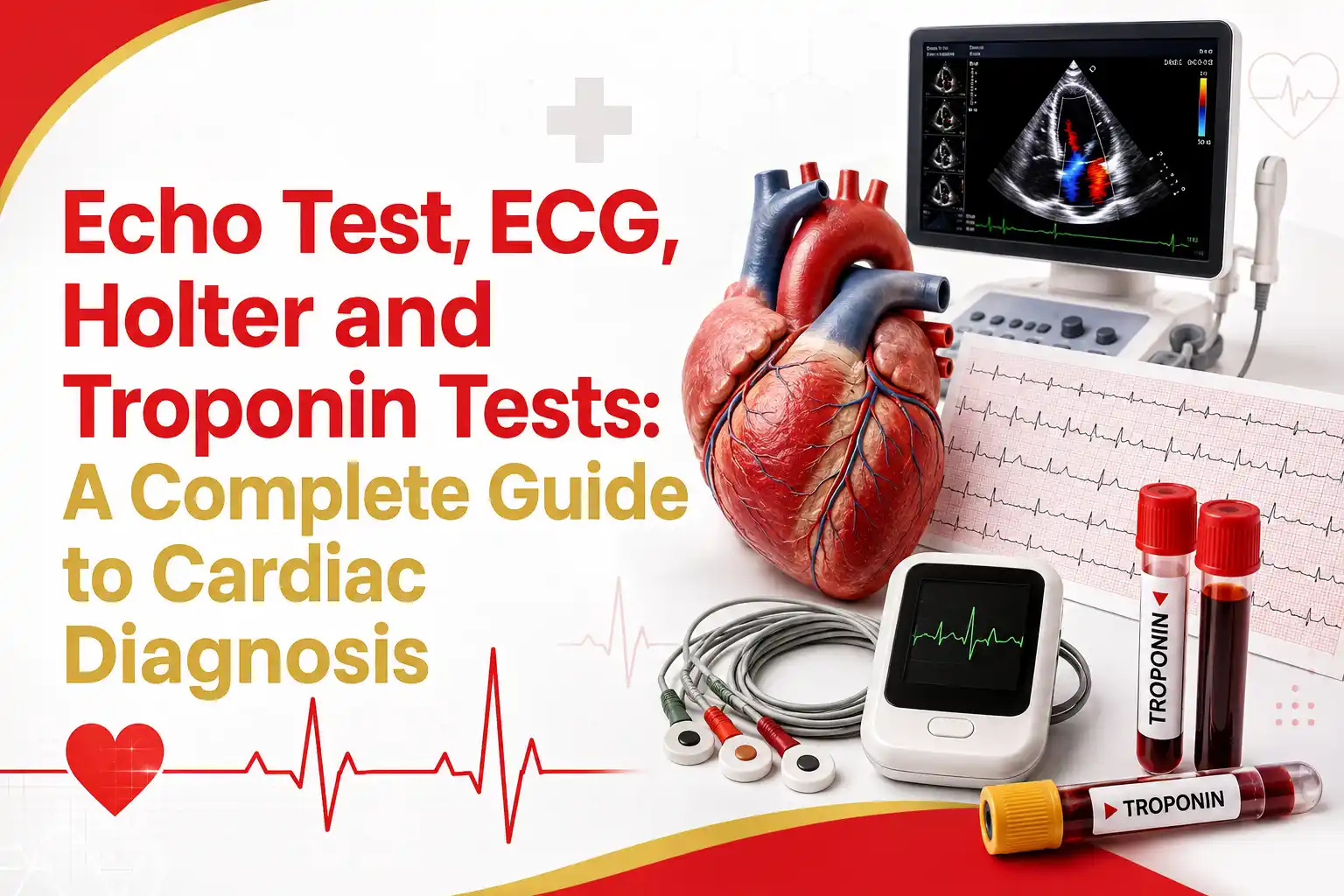
Echo Test, ECG, Holter & Troponin Test: A Complete Guide to Cardiac Diagnosis
Aug 18, 2026
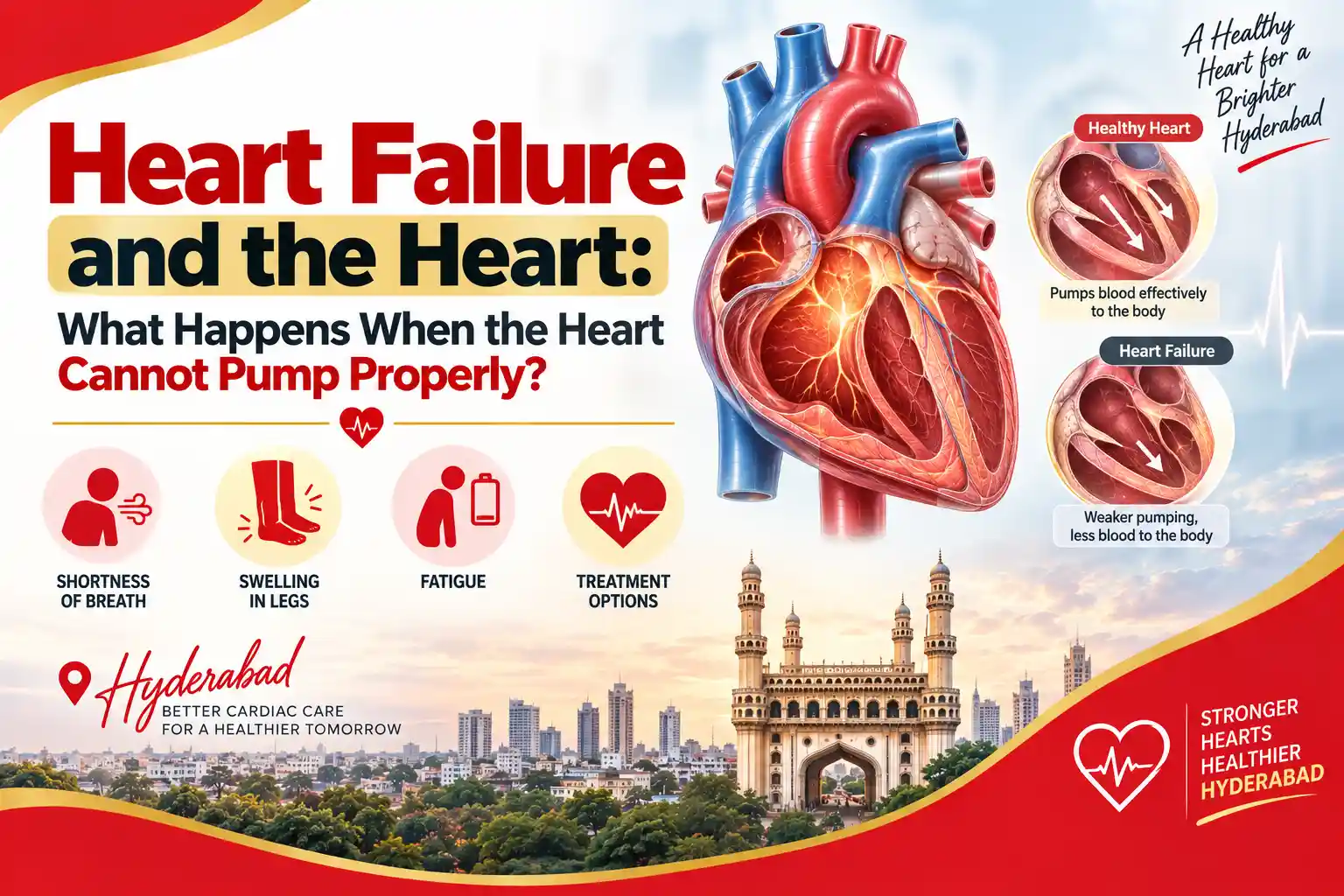
Heart failure is a serious long-term condition in which the heart cannot pump blood as efficiently as the body needs. It does not mean that the heart has stopped beating. Instead, the heart may be too weak, too stiff or structurally affected to fill with blood or pump it forward properly. When the heart’s pumping ability is reduced, the body may receive less oxygen-rich blood. Fluid can also build up in the lungs, legs, abdomen and other parts of the body. This may cause breathlessness, swelling, fatigue and difficulty doing routine activities. Heart failure can develop gradually over time or appear suddenly after a heart attack, severe infection or another heart-related problem. Early diagnosis and treatment can help control symptoms, lower the risk of hospitalisation and support a better quality of life.
Important medical note: Breathlessness, chest pain, sudden swelling or fainting can have serious causes. This article is for education and cannot replace an in-person medical evaluation.
The heart is a muscular pump with four chambers. Its main job is to send blood to the lungs for oxygen and then pump oxygen-rich blood to the rest of the body. In heart failure, the heart may not keep up with this workload. To compensate, the body may retain salt and water, the heart may beat faster or the heart chambers may enlarge. These changes may help temporarily but can worsen the strain on the heart over time. The term congestive heart failure is often used when fluid congestion causes symptoms such as swelling in the feet, ankles, legs, abdomen or lungs. Heart failure is not one single disease. It is a syndrome caused by an underlying heart or health condition. Finding that cause is an important part of treatment.
Book a Heart Failure Consultation
When the heart cannot pump or relax properly, pressure can build up behind the affected chamber. For example:
The heart may also enlarge, become thicker or beat faster in an attempt to maintain blood flow. Over time, these compensatory changes can make the condition more difficult to manage without appropriate treatment.
The left ventricle is the heart’s main pumping chamber. It sends oxygen-rich blood to the body.
In this type, the left ventricle becomes weak and does not squeeze strongly enough. The ejection fraction, which is the percentage of blood pumped out with each beat, may be reduced. Possible causes include a previous heart attack, coronary artery disease, cardiomyopathy or long-standing high blood pressure.
In this type, the heart may still pump a normal percentage of blood, but the left ventricle is stiff and does not relax or fill properly between beats. It is commonly associated with conditions such as high blood pressure, diabetes, obesity, older age and heart-muscle stiffness. Both forms can cause significant symptoms and require individualised care.
Right-sided heart failure occurs when the right side of the heart cannot pump blood effectively to the lungs. This can cause blood and fluid to back up in the body. Common signs of right-sided heart failure include:
Right-sided heart failure can occur because of left-sided heart failure, lung disease, pulmonary hypertension, heart valve disease or certain heart conditions present from birth.
Heart failure has several possible causes. In many cases, more than one factor affects the heart over time. Common heart failure causes include:
A cardiologist will assess the cause because treating the underlying issue may improve heart function and symptoms.
Heart failure symptoms may start slowly and become more noticeable over weeks or months. In some people, symptoms may worsen suddenly. Common symptoms include:
Not every person with these symptoms has heart failure. However, they should be evaluated, especially when they are new, worsening or occur with known heart disease.
Seek emergency medical care immediately if there is:
Do not drive yourself if you have severe symptoms. Call emergency services or have someone take you to the nearest emergency department.
Heart failure cannot be diagnosed based on symptoms alone. A doctor will review your health history, symptoms, medicines, blood pressure and heart-risk factors. Tests may include:
An ECG records the electrical activity of the heart and can help identify rhythm problems, including atrial fibrillation.
An echocardiogram uses ultrasound to show how well the heart chambers, valves and heart muscle are working. It can help measure ejection fraction and identify structural problems. Patients can learn more about a 2D echocardiography test when their cardiologist recommends heart-function imaging.
Blood tests may help assess heart strain, kidney function, thyroid function, electrolytes and other possible contributors to symptoms.
A chest X-ray may help identify fluid in the lungs or other causes of breathlessness. Some patients may need additional cardiac imaging, stress tests or coronary artery assessment.
Heart failure treatment is tailored to the cause, severity, heart function, symptoms and other medical conditions. A good treatment plan often includes medicines, lifestyle support, regular monitoring and, for some people, procedures or implanted devices.
Doctors may prescribe medicines to reduce fluid retention, lower strain on the heart, improve pumping efficiency or manage related conditions such as high blood pressure, diabetes and atrial fibrillation. Do not stop, skip or alter heart medicines without consulting your doctor. Even when symptoms improve, treatment may still be protecting the heart.
Treatment may include managing blocked heart arteries, valve disease, rhythm disorders, high blood pressure or other contributing conditions. For example, people with recurring AFib or palpitations may need an arrhythmia assessment as part of their overall heart-failure care.
Selected patients may benefit from procedures or devices such as pacemakers, defibrillators, cardiac resynchronisation therapy, valve procedures or coronary interventions. These are recommended only after a detailed cardiac evaluation.
A cardiologist may advise a personalised plan that can include:
Exercise can be helpful for many stable patients, but the type and intensity must be suitable for their heart condition. Do not begin strenuous exercise during worsening symptoms without medical advice.
For many people, heart failure is a chronic condition that requires ongoing care. However, treatment can significantly improve symptoms, daily functioning and heart health. In some cases, heart function may improve when the underlying cause is treated. Examples can include correction of certain valve problems, improved blood-pressure control, treatment of a rhythm disorder or recovery from a reversible heart-muscle condition. The outlook differs for every person. It depends on the cause, heart function, symptoms, other health conditions and response to treatment. Regular follow-up is essential.
Living with heart failure often means becoming familiar with changes in your body. Contact your care team if you notice:
Keep a list of your medicines, test results and emergency contacts. Involve family members or caregivers where possible, especially if symptoms worsen quickly. For comprehensive evaluation, ongoing treatment and advanced cardiac care, visit the Heart Failure Treatment Services at Germanten Hospitals Attapur, Hyderabad
Heart failure means the heart needs support to pump blood effectively. It can affect the left side, right side or both sides of the heart, and symptoms can range from mild fatigue to severe breathlessness and fluid retention. The most important steps are recognising symptoms early, identifying the underlying cause and following a personalised treatment plan. If you or a family member has new breathlessness, leg swelling, fatigue or an irregular heartbeat, book a consultation with the Cardiology Department at Germanten Hospitals, where patients can access specialised cardiac care at a leading cardiology hospital in Hyderabad.
No. Heart failure means the heart is not pumping or filling as efficiently as it should. It is a serious condition, but treatment can help manage symptoms and improve heart function in many people.
Shortness of breath is a common symptom. Other signs include tiredness, leg swelling, sudden weight gain, persistent cough and reduced ability to do normal activities.
Yes. Heart failure can develop gradually or happen suddenly after conditions such as a heart attack, severe infection, uncontrolled blood pressure or a serious rhythm problem.
Yes. When fluid builds up in the body, it can cause swelling in the feet, ankles, legs or abdomen. New or rapidly worsening swelling should be discussed with a doctor.
No. A heart attack happens when blood flow to part of the heart muscle is blocked. Heart failure means the heart cannot pump efficiently. A heart attack can, however, damage the heart and lead to heart failure.
Many people with stable heart failure can benefit from safe, regular activity. The right exercise plan depends on symptoms, heart function and other medical conditions, so it should be discussed with a cardiologist.